
What Five Years of Night Shift Taught Me About Everything Except Nursing
You got home at 7:40. You’ve showered, you’ve eaten something standing at the counter, and now it’s nine in the morning and there’s a strip of light coming through a gap in the curtains you were told would be enough. Somewhere down the street, a lawnmower starts.
I know that gap. I measured it.
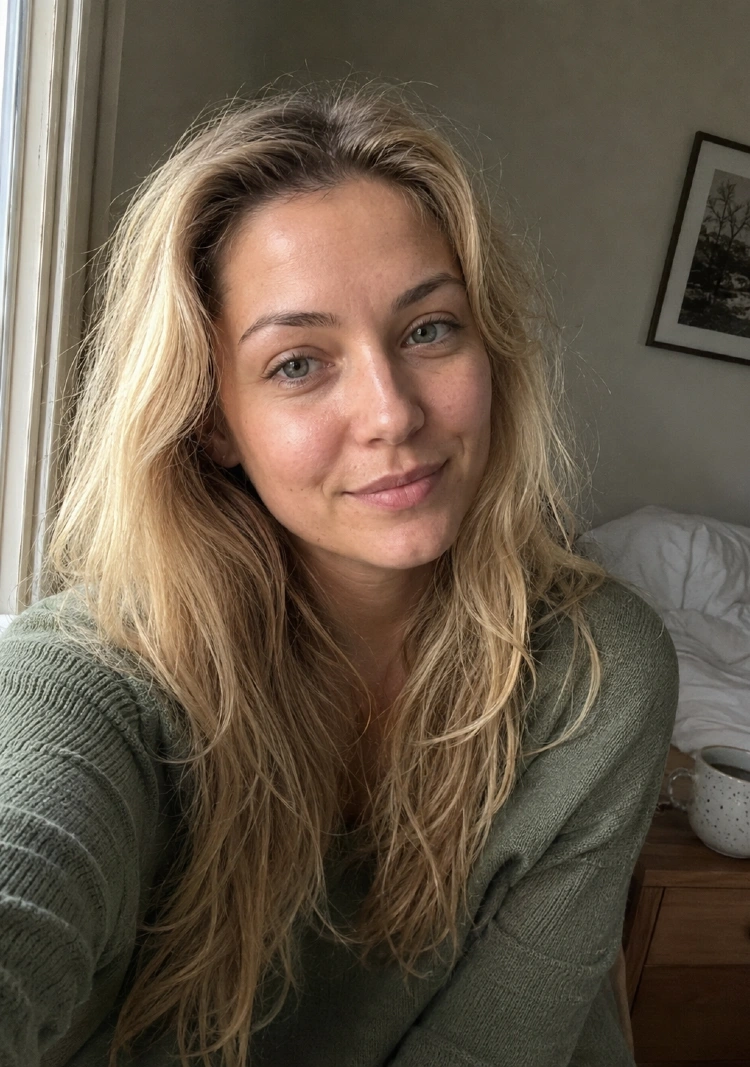
The eight months I taped cardboard to my window
I started nights at twenty-seven, in a one-bedroom apartment with west-facing windows and a landlord who said no to anything that left a hole in the wall. For the first week I told myself I’d adjust. By the third week I was sleeping in ninety-minute pieces and crying in my car before shifts I hadn’t started yet.
So I taped a flattened moving box over the window.
It worked, sort of. It also stayed there for eight months, and I kept the blinds closed over it so nobody would see it from the street. I was twenty-seven years old with a nursing degree and a cardboard box between me and the sun, and I genuinely believed that was just what nights cost you.
It isn’t. It took me an embarrassingly long time to work that out.
What I do when I’m not writing this
I’m Mandy. I’ve got a BSN and I’ve been a registered nurse for five years, two on a med-surg floor and three on cardiac stepdown, where I still work three twelves a week. Mostly nights. Occasionally the kind of rotating block that makes you forget which day trash goes out.
I’m not a sleep specialist and I’m not a designer. What I have is five years of testing things on my own body, on a schedule that punishes you immediately when you get it wrong.
That’s the whole qualification, and I’d rather be honest about it than dress it up.
Why a nurse ended up writing about curtains

Nursing school taught me how to care for a patient in front of me. It taught me nothing about the twelve hours after I hand over.
Nobody sat us down and said: your body is going to fight you for a year, your relationships will run on a different clock than everyone else’s, you’ll spend more on blackout solutions than on your bed, and at some point you’ll have a real conversation with your neighbor about their leaf blower.
There’s a lot of content out there for nurses about being a nurse. Certifications, resumes, which specialty to pick. There’s almost nothing about the rest of it, and the rest of it is where most of us are struggling.
So that’s what this is. The part nobody covers.
What’s actually on here
- Sleep and night shift. How to actually get dark, how to flip your schedule between blocks without losing a week, what to do at four in the afternoon when you’re wide awake and you have to be back at seven.
- Home and small spaces. Most of us rent. Most of us can’t drill. Everything here works in an apartment you’ll leave in eighteen months and want your deposit back from.
- Scrubs and what you wear. Which brands still fit after fifty washes, how to build a rotation that doesn’t require laundry every third day, and what to wear on the drive home when you refuse to be seen in scrubs at the grocery store.
- Recovery. Feet, back, the specific kind of tired that sleep doesn’t fix. Practical, not clinical.
- Money. Night differential, what shift work actually costs you at home, and the math on whether a cleaning service beats doing it yourself at 11pm.
I test things before they go up. I keep a spreadsheet of every blackout curtain I’ve tried, scored on light leak measured at two in the afternoon in July, because that’s the hardest hour of the hardest month and anything that survives it will survive January. It’s forty-three rows long now. Most of them failed.
How things get published here
I check the facts before anything goes live, and I check them again against the sources rather than against my own memory, because being confident about something is not the same as being right about it. Every article gets read start to finish by me before it publishes, and edited for anything unclear, wrong, or overstated.
When there’s an affiliate link, you’ll see it marked. Same with anything sponsored. I’d rather tell you upfront and let you decide than have you find out later and wonder what else I left out.
For anything that touches health, I stay in my lane. I’ll tell you what worked for me and what the research says. I won’t tell you what’s wrong with you, and I’ll say plainly when something is a question for your own doctor.
Things that have nothing to do with any of this
I make bread on my days off, mostly because dough is the only thing in my life that’s happy to proof on a schedule as strange as mine. I read paperbacks and won’t read on a screen after 6pm, which my sister finds ridiculous and which I stand by completely.
I own two sound machines. One on each nightstand. One was not enough, and I’ve stopped explaining this to people.
There’s a laminated card taped inside my front door for delivery drivers that says please don’t ring, and it has saved my sleep more times than any product I’ve ever bought. It cost me nothing. It’s still the single best thing on this list.
One last thing
If you’re reading this at an hour that makes no sense, in a room that’s not quite dark enough, with a shift in seven hours you’re already dreading, you’re not doing it wrong.
You’re just doing it without the information nobody gave you. That’s what’s here.
I read every email that comes to [email protected]. Say hello if you want to.
Mandy
