
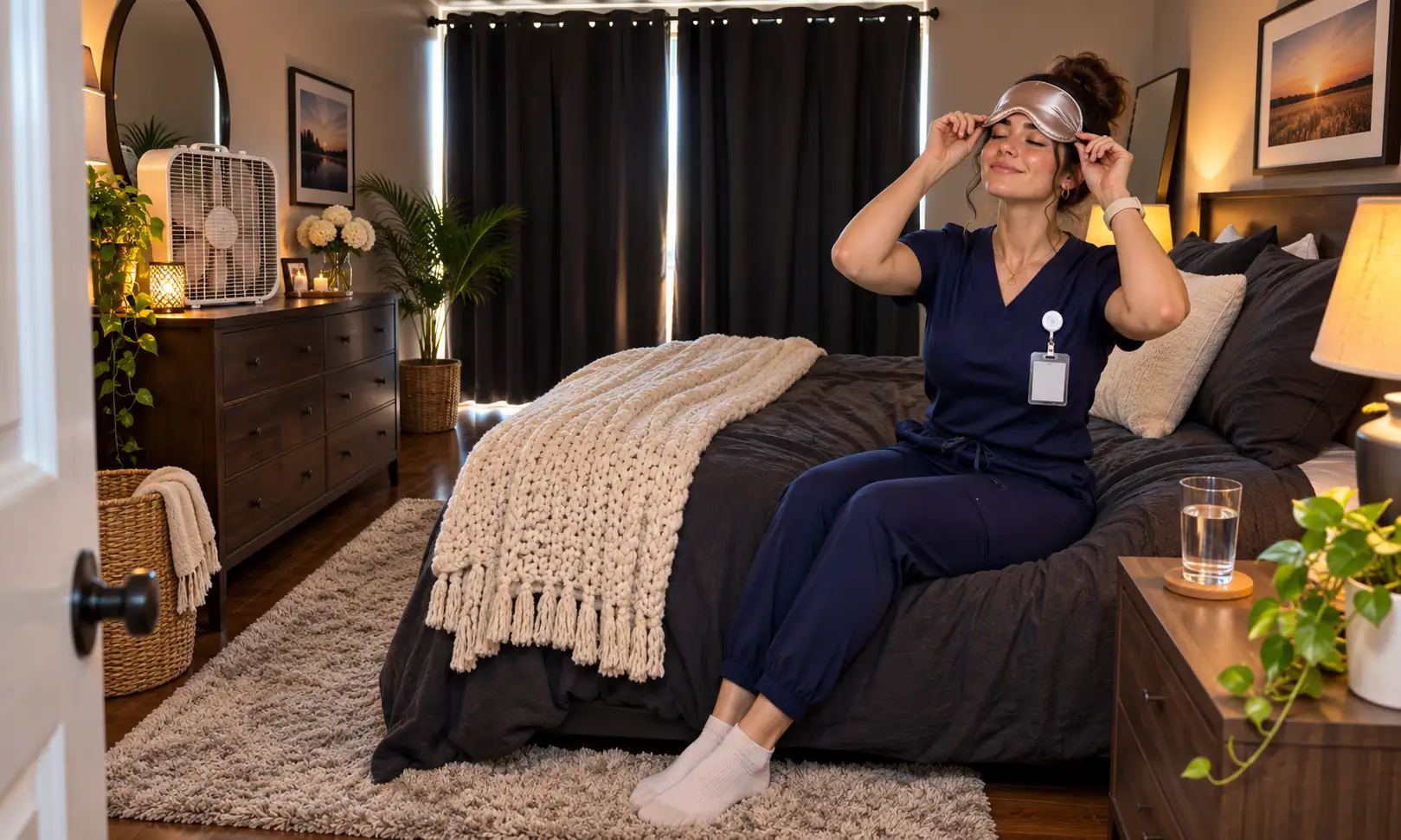
Your feed is full of mouth tape, magnesium mocktails, smart rings, and 10-step night routines. Every video promises the best sleep of your life. None of them were made by someone who clocks out at 7 a.m. and tries to sleep while the neighbor mows the lawn.
This is sleepmaxxing for nurses, tested against real day sleep. Each of the 15 trends below gets a clear verdict: Worth It, Maybe, or Skip It.
Here is the short version. The things that help most are cheap or free: a truly dark room, a cool temperature, steady sound, a caffeine cutoff, and the same sleep window every day. Gadgets and supplements come last, and a few popular trends are better skipped.
Start with the quick tool below to find the three upgrades that fit your biggest sleep problem and your budget. Then scroll for the full verdict on each trend.
Start Here: Build Your Sleepmaxx Stack
SMALL TOOL
Build Your Sleepmaxx Stack
Tap the problem that wakes you most. Start with the green, upgrade with the gold.
Too much light+
Too much noise+
Too hot+
Racing mind+
Messy schedule+
1. Black Out Every Bit of Light Before You Lie Down
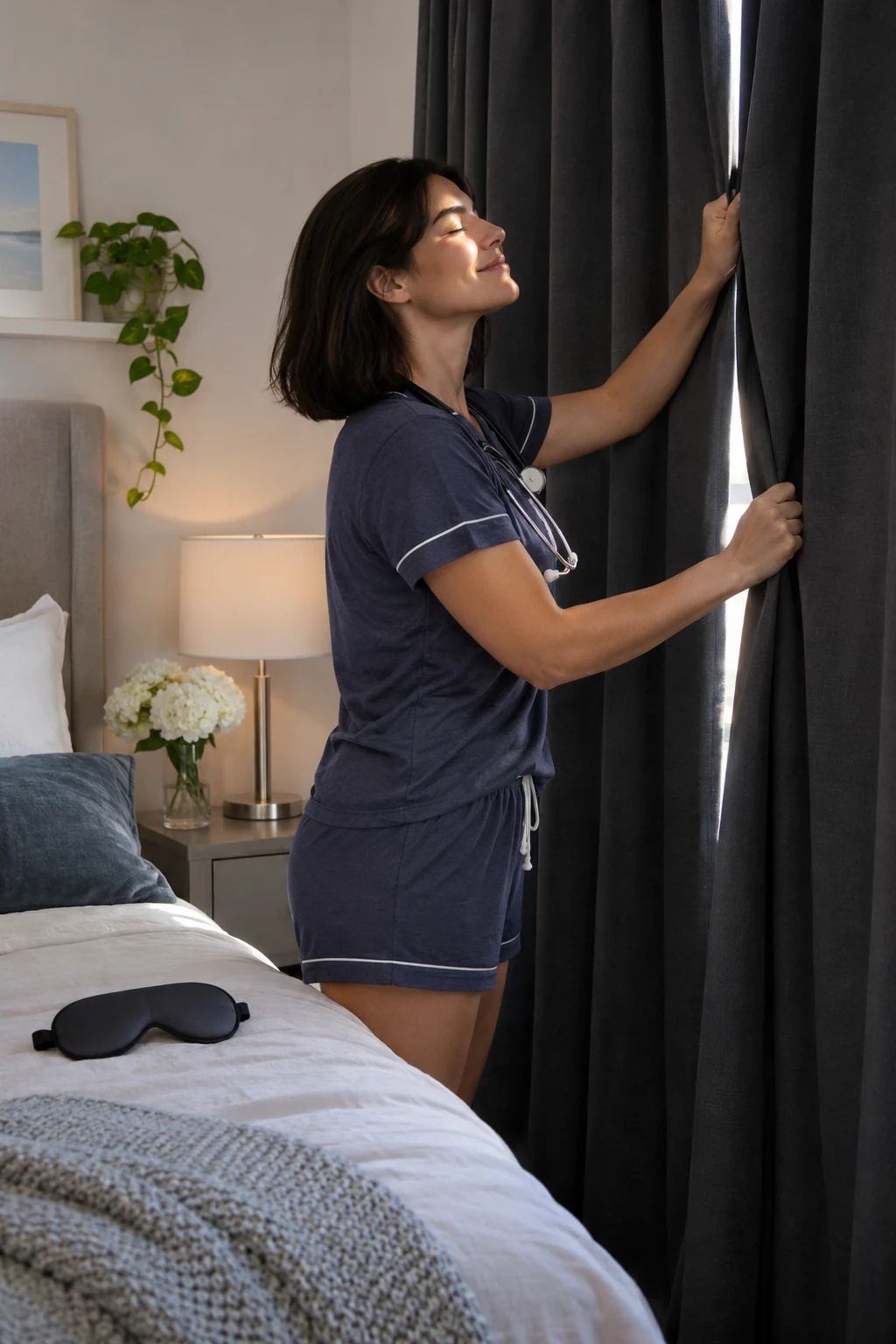
Before buying a single gadget, get the room truly dark. Light hitting your eyelids at noon tells your brain it is daytime, and no supplement can argue with that.
Go room-dark in four moves:
- Hang blackout curtains that go past the window frame on every side
- Cover the little LED lights on chargers and TVs with a dab of tape
- Put a draft stopper under the door to block hallway light
- Wear a contoured eye mask that does not press on your eyes
Test it at midday. If you can see your hand at arm’s length, keep going. These blackout bedroom ideas for nurses cover every budget.
Verdict: Worth It. It is the cheapest sleepmaxxing upgrade with the biggest payoff.
How Dark Is Dark Enough?
2. Keep Your Bedroom Cool, Around 65°F
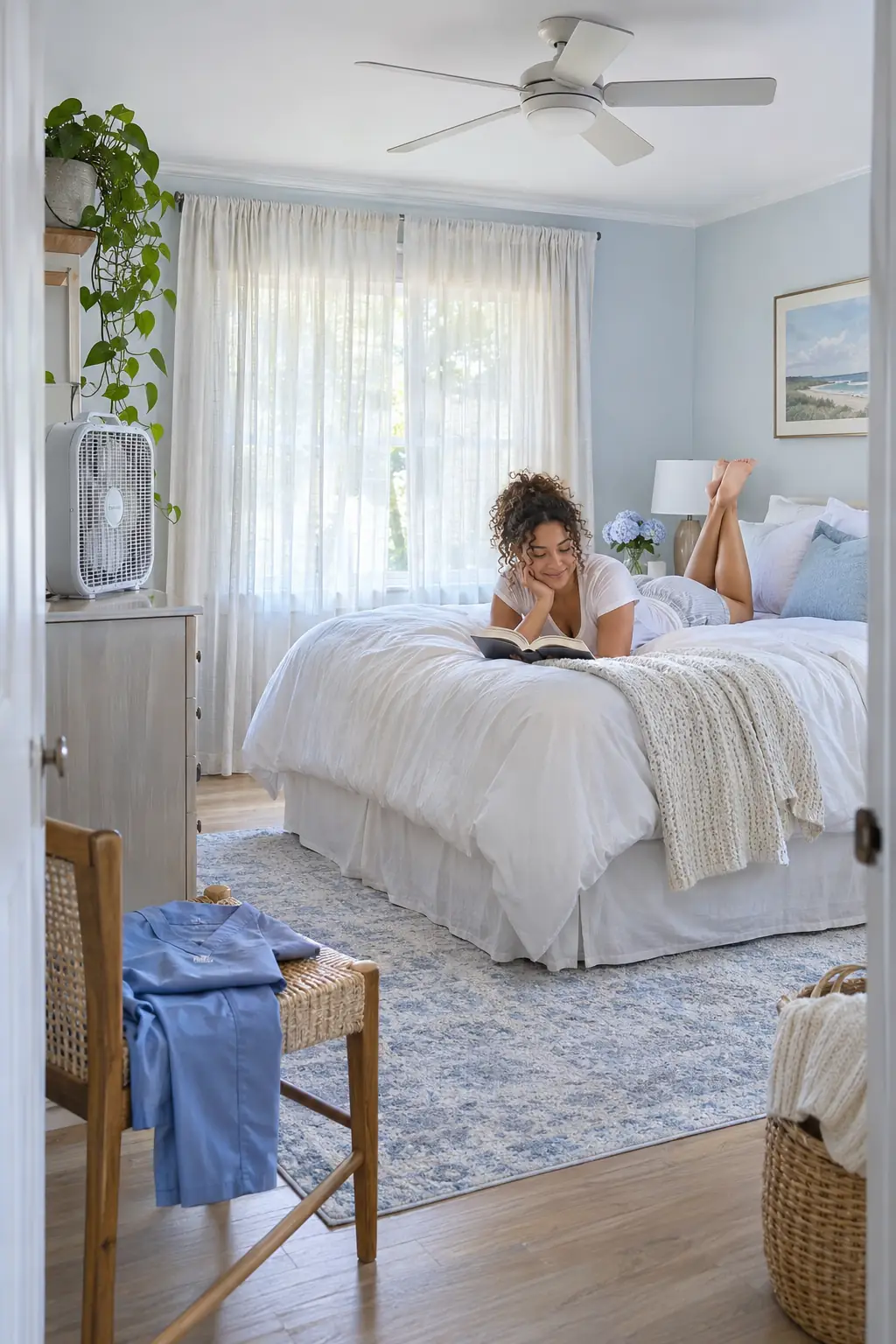
Your body temperature drops a little when you fall asleep, and a cool room helps that happen. A sunny afternoon bedroom works against you, especially in summer.
Most sleep experts suggest a room around 60 to 67°F. Pick your fix by budget:
| Fix | Cost | What it does |
|---|---|---|
| Box fan | Low | Moves air and adds steady sound |
| Breathable cotton or linen sheets | Medium | Lets heat escape instead of trapping it |
| Blackout curtains | Medium | Blocks the sun’s heat as well as its light |
| Cooling mattress topper | Higher | Helps hot sleepers who wake up sweaty |
Start with the fan and the sheets. Most nurses never need the topper.
Verdict: Worth It. It costs little and helps almost everyone sleep through the hottest part of the day.
Find Your Sleep Zone
3. Run One Steady Sound for Your Whole Sleep
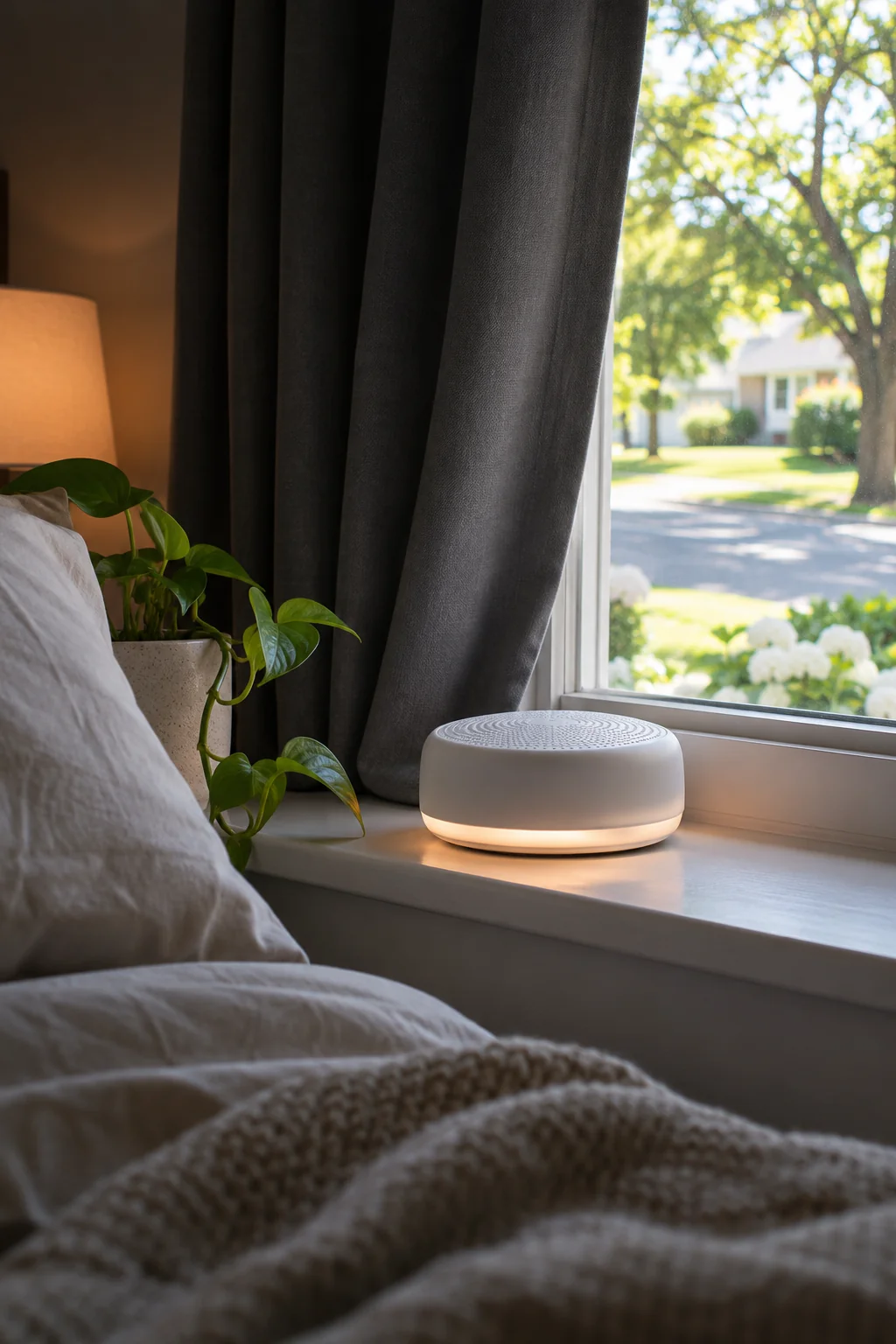
The lawnmower, the school bus, and the delivery driver all show up while you sleep. A steady background sound makes those noises stand out less.
Set it up so it lasts the whole sleep:
- Use a box fan or a white noise machine, not your main phone.
- Keep the volume around 50 to 60 decibels at your pillow.
- Place it between your bed and the noise, like by the window or door.
- Turn off any auto shut-off timer.
That last one matters most. A timer that stops the sound at noon leaves you exposed right when the neighborhood gets loud. For a quieter room overall, see how to soundproof a bedroom for day sleep.
Verdict: Worth It. It is cheap, it is simple, and it works.
2-HOUR TIMER
Sound stops at 11 a.m. The mower starts at noon.
ALL-SLEEP SOUND
Steady from lights-out to your alarm.
4. Wear Sunglasses on the Drive Home

Your drive home is part of your bedtime. Bright morning sun on the way home tells your brain the day is starting, right before you need to sleep.
Pick wraparound lenses. They block light from the sides too, not only the front.
Keep them in the car. If they live in your locker, you will forget them by 7 a.m.
Wait for daylight. Put them on once the sky is light. Never wear dark lenses to drive in the dark.
The light, dark and body clock guide for night shift nurses explains why that morning light matters so much.
Verdict: Worth It. It is a small habit that makes falling asleep after a night shift easier.
5. Set a Caffeine Cutoff 6 Hours Before Sleep

That 4 a.m. coffee feels like a lifesaver, but it can still be buzzing in your system when you lie down at 9. Caffeine lasts much longer than most nurses expect.
Count back about 6 hours from when you plan to sleep:
| If you sleep at | Last caffeine by |
|---|---|
| 8:30 a.m. after nights | 2:30 a.m. |
| 9:30 a.m. after nights | 3:30 a.m. |
| 10:00 p.m. on day shifts | 4:00 p.m. |
Energy drinks, pre-workout, and some teas count too. After the cutoff, switch to cold water, a protein snack, or a walk around the unit.
Verdict: Worth It. It costs nothing and protects every sleep.
LAST CUP
LIGHTS OUT
6. Pick One Sleep Window and Keep It
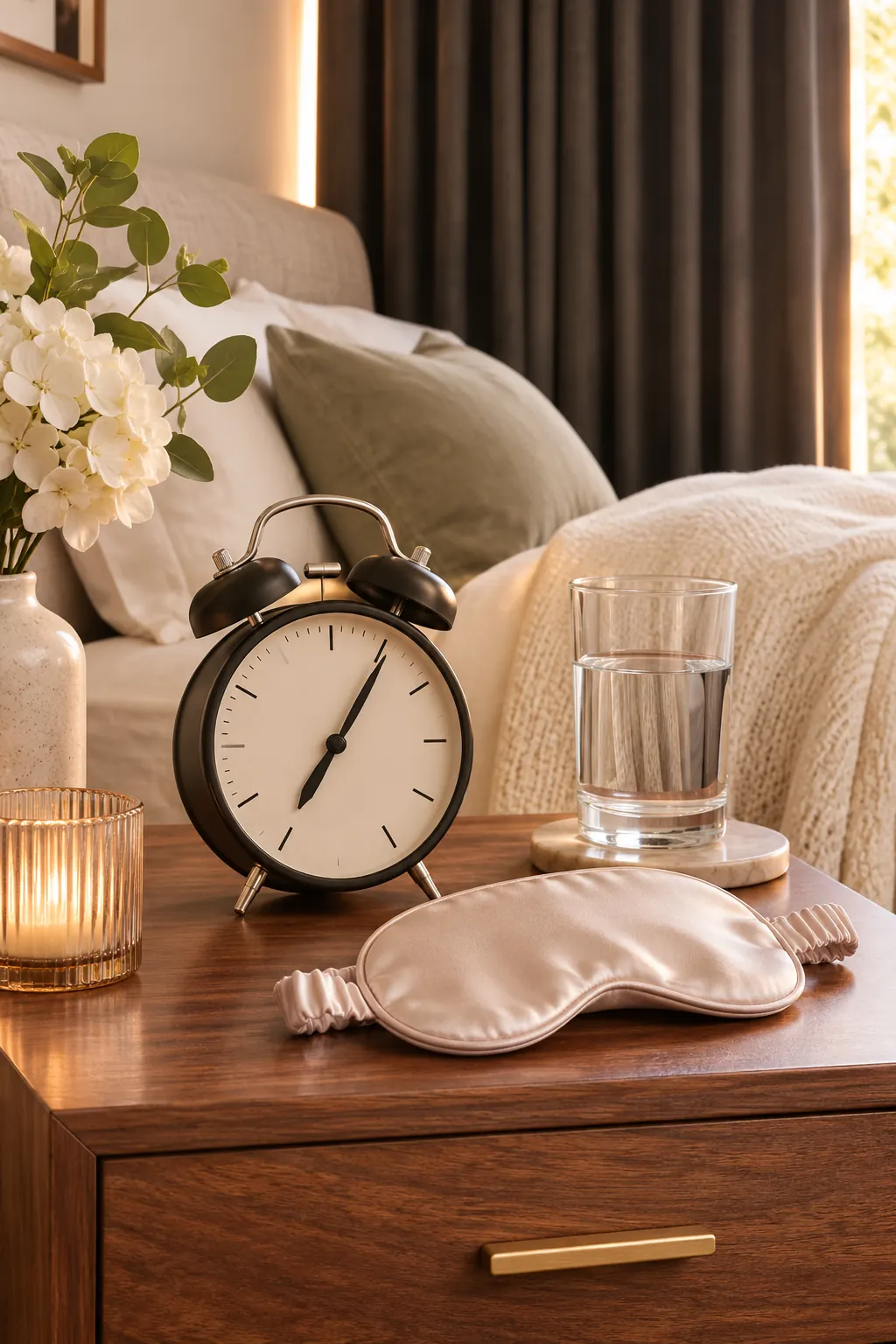
The trendiest sleepmaxxing tip is also the oldest one: sleep at roughly the same time every day. For night shift nurses, that is hard, and it is also where the biggest gains are.
Make your window stick:
- Choose a 7 to 8 hour block that fits your work days
- Protect at least 4 hours of it on days off too, as your anchor
- Set the same wake alarm on work days and the first day off
- Shift by 1 to 2 hours at a time, never all at once
You do not need a spotless streak. Hitting your window five days out of seven still beats random sleep. The night shift sleep guide for nurses shows sample windows for 7p to 7a shifts.
Verdict: Worth It. It is free, and every other hack works better on top of it.
Same Window, Every Day
7. Keep Your Wind-Down to 20 Minutes
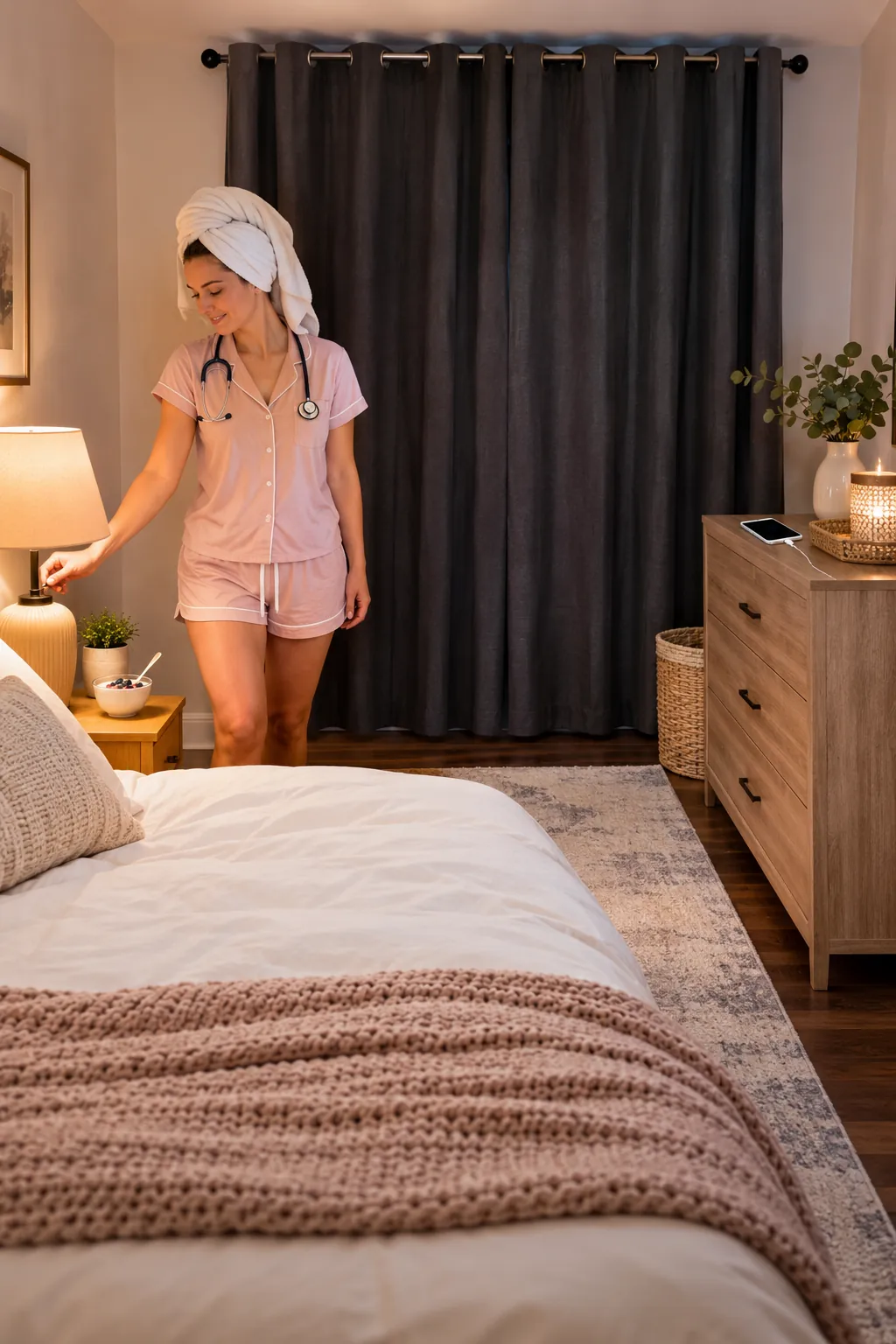
Online, wind-down routines run an hour, with journaling, skincare, tea, stretching, and reading. After a 13-hour shift, nobody has the energy for that.
A short routine you actually do beats a long one you skip:
- Shower and change out of scrubs, 5 minutes.
- Dim the lights and set your phone to charge across the room.
- Eat a small snack if you are hungry, so hunger does not wake you.
- Lie down and breathe slowly for a few minutes.
Keep the same order every time, so your brain learns the cue. This wind-down routine after a night shift has more ideas, and on hard nights, these steps help you wind down after a rough shift.
Verdict: Worth It. Short and steady wins.
8. Try a Sleep Tracker Only If Numbers Calm You Down
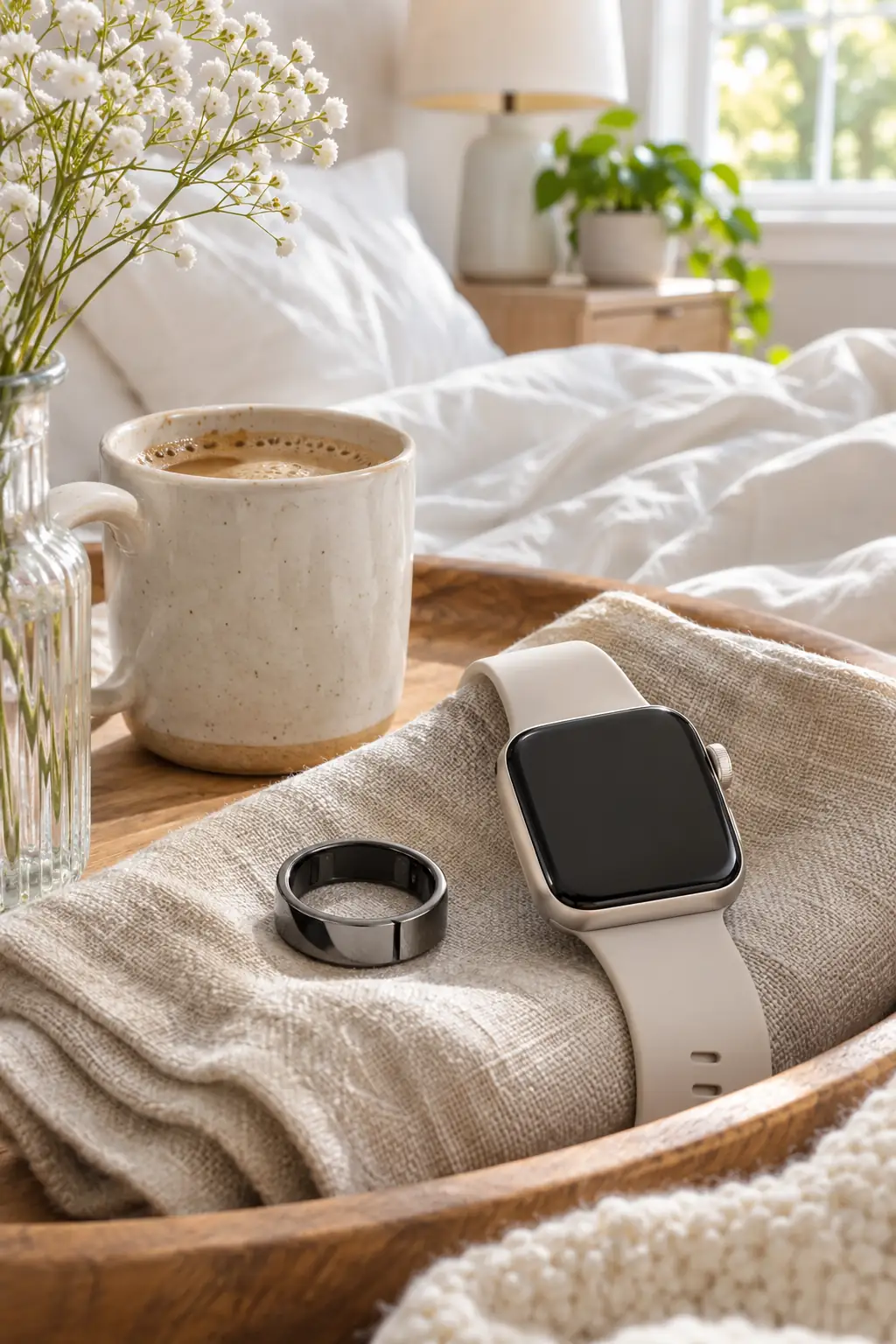
Smart rings and watches are everywhere in sleepmaxxing videos. For some nurses, they are a helpful mirror. For others, they turn sleep into one more thing to fail at.
Where trackers help: spotting patterns, like how a late coffee or a hot room affects your sleep over a few weeks.
Where they fall short: they estimate sleep stages, they do not measure them the way a sleep lab does. A “bad score” can make you anxious even when you feel fine.
How to use one well: look at weekly trends, not single nights. If you start checking your score the moment you wake up and feel worse, take it off for a week.
Verdict: Maybe. It is good for curious, data-loving nurses, and skippable for everyone else.
Look at the week, not the night.
9. Test a Weighted Blanket in the Cool Months First
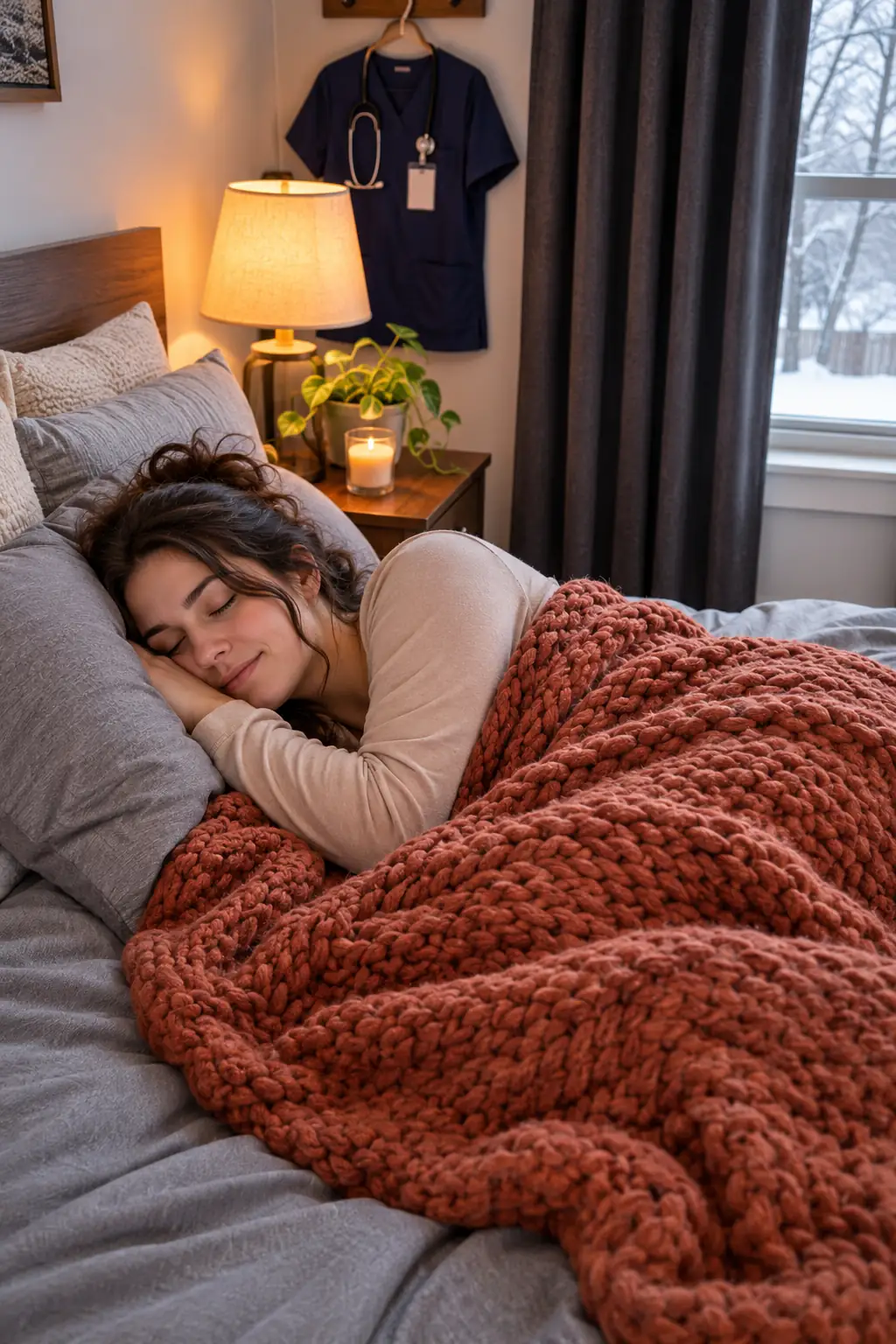
Weighted blankets feel like a hug for a lot of people, and many nurses say the pressure helps them settle after a wired shift. The catch is heat. Day sleepers in a warm bedroom can end up kicking it off at noon.
Most brands suggest about 10 percent of your body weight:
| Your weight | Blanket weight |
|---|---|
| 120 lb | About 12 lb |
| 150 lb | About 15 lb |
| 180 lb | About 18 lb |
Buy from a store with a no-hassle return policy, and try it for 2 weeks. If you run hot, look for a knit or cooling cover.
Verdict: Maybe. Some nurses love it. Others use it on the couch instead.
The 10 Percent Rule
10. Ask Before You Add Magnesium
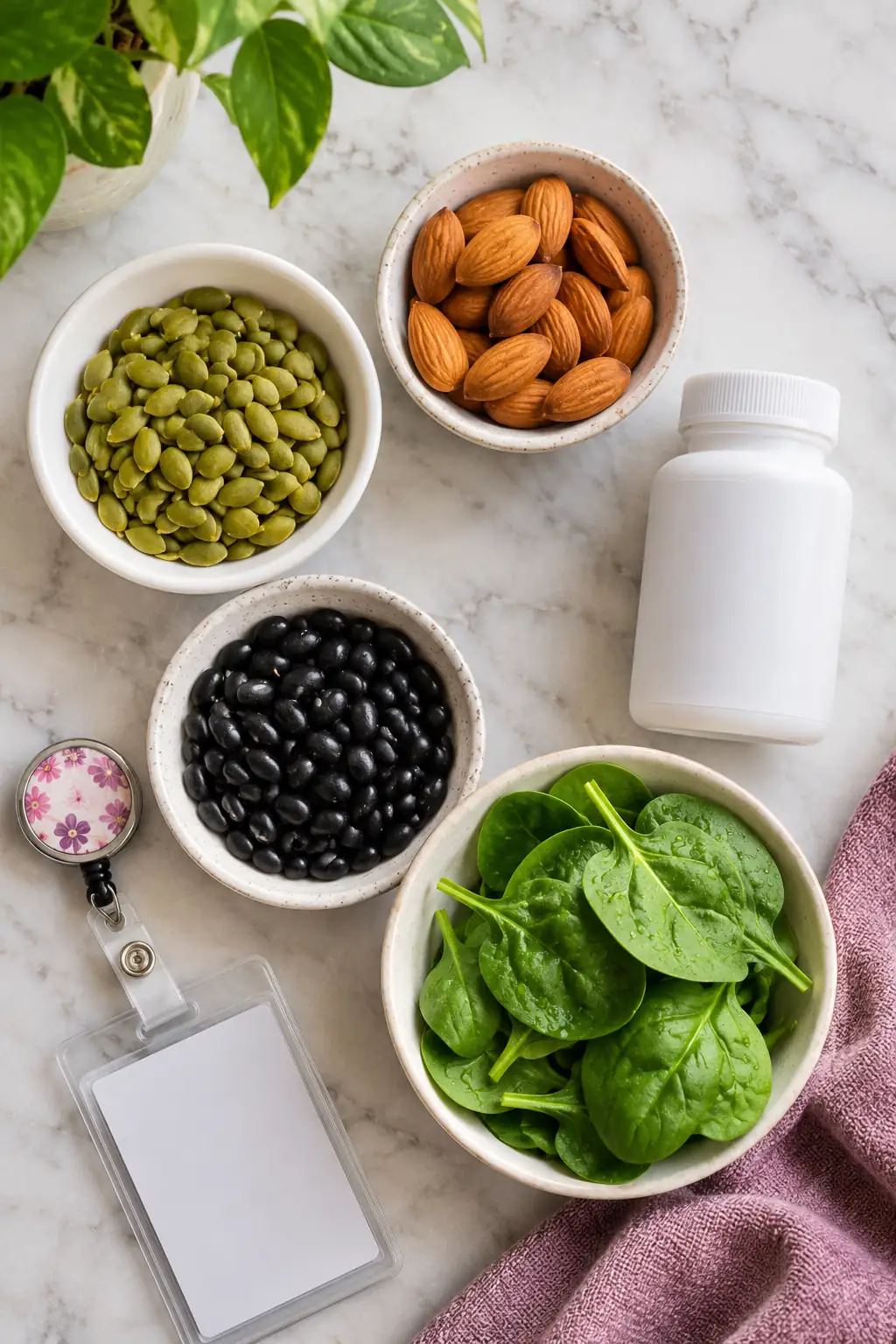
Magnesium is the most popular supplement in sleepmaxxing videos. Some studies suggest it may help some people sleep, but the research is still small, and it does not suit everyone.
Before you buy a bottle:
- Ask your doctor or pharmacist which form and amount fit you
- Mention it if you have kidney problems or take other medicines
- Watch for an upset stomach, which is a common side effect
- Try food sources first, like pumpkin seeds, almonds, spinach, and black beans
It is not a fix for a bright room or a 4 a.m. energy drink. Use it as a small add-on to the basics, not a replacement for them.
Verdict: Maybe. Get a provider’s okay first, and keep your expectations modest.
Try the Plate Before the Pill
Supplement? Ask your provider first.
11. Make the Sleepy Girl Mocktail as a Ritual, Not a Cure

The viral drink is tart cherry juice, magnesium powder, and sparkling water over ice. Tart cherries contain a little natural melatonin, and a few small studies looked at the juice for sleep. Mostly, though, it is a nice cue that your day is over.
A gentler version for after a shift:
- Pour 4 ounces of unsweetened tart cherry juice over ice.
- Top it with sparkling water.
- Skip the magnesium powder unless your provider says it is okay.
- Sip it slowly while you dim the lights.
Tart cherry juice has natural sugar, so keep the pour small. If the drink makes your post-shift routine feel special, that alone has value.
Verdict: Maybe. It is a fun ritual, not a sleep fix.
Verdict: Maybe, as a ritual
12. Skip Mouth Taping Unless a Doctor Says Otherwise
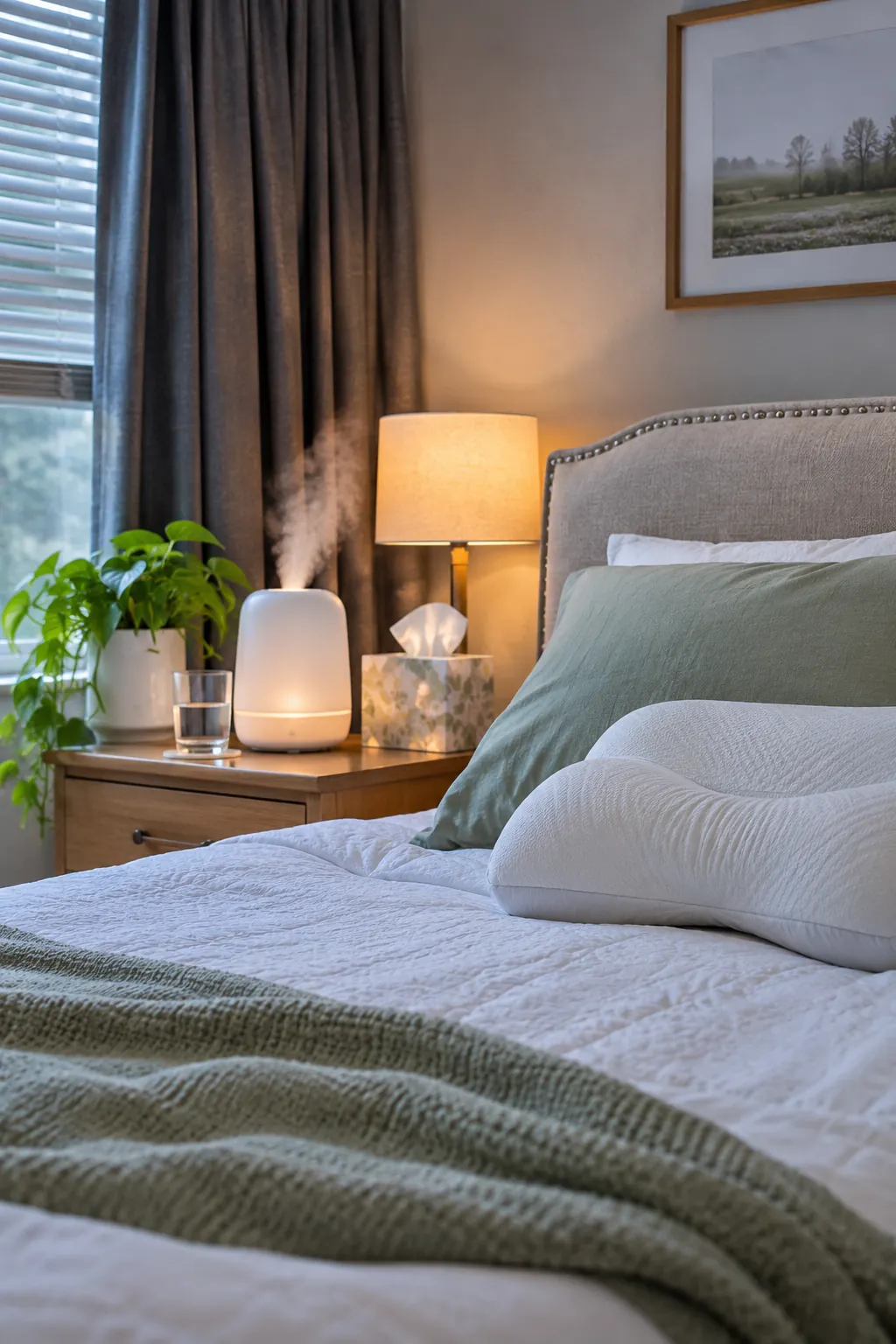
Videos claim that taping your lips shut forces nose breathing and gives you deeper sleep. The research behind it is small, and the risks are real for some people.
The concern. If your nose is blocked from allergies or a cold, or you have sleep apnea that has not been diagnosed, taping your mouth can make breathing at night harder.
The real question. Mouth breathing and loud snoring can be signs of a sleep or breathing problem. That is worth a visit to your provider, not a roll of tape.
What to try instead. Treat a stuffy nose, sleep on your side, and keep the bedroom air from getting too dry.
Verdict: Skip It. Talk to your doctor before trying it.
SKIP IT
DO THIS INSTEAD
13. Skip Melatonin Megadoses

Some sleepmaxxing videos stack 10 mg melatonin gummies like vitamins. More is not stronger, and for night shift nurses, timing matters more than the amount.
| What people think | What experts say |
|---|---|
| More melatonin works better | Many sleep experts point to small doses, often 0.5 to 3 mg |
| You can take it anytime | Timing matters most for shift workers |
| The label is exact | Studies have found real amounts can differ a lot from labels |
| It is fine for everyone | Ask first if you are pregnant, take other medicines, or have a health condition |
If you are curious, ask your provider or pharmacist about a small dose timed for your schedule. Look for products with a third-party testing seal on the label.
Verdict: Skip It for big doses. A small, timed dose is a conversation for your provider.
Stacking gummies
Small dose, timed, with your provider’s okay
14. Pass on Red Light Therapy Panels for Sleep
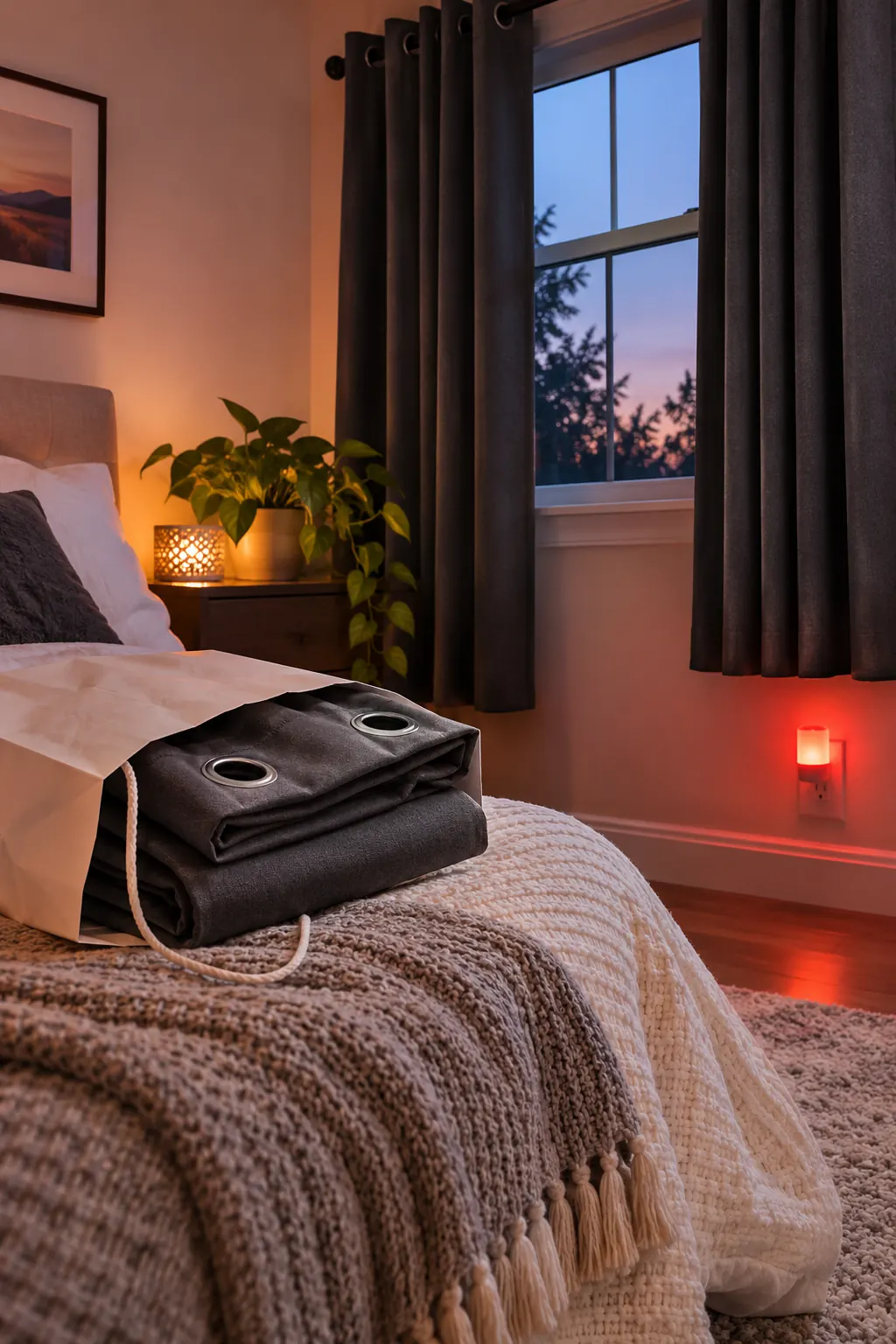
Big red light panels show up in a lot of high-end sleepmaxxing setups. They are pricey, and the research on them for sleep is still early.
Before you spend the money, compare:
- A full panel can cost hundreds of dollars
- Studies on red light for sleep are small and mixed so far
- Darkness has strong evidence behind it for sleep
- A cheap, dim red night light for bathroom trips is fine and gentle on your eyes
If you already own a panel and enjoy it, there is no harm in keeping it as part of your evening. Do not buy one expecting it to fix day sleep.
Verdict: Skip It. Put that money into blackout curtains first.
Where Your Money Sleeps Better
Red light panel
Cost: $$$
Sleep proof: early, mixed
Blackout curtains
Cost: $
Sleep proof: strong
15. Drop the Hour-Long Bedtime Routine
Ten-step “night routines” look calming on video: journaling, a face mask, stretching, tea, reading, a bath, and a gratitude list. After a 13-hour shift, they turn into one more task between you and your bed.
Why it backfires. Every extra step keeps you awake longer, often in brighter light. By the time you finish, the sun is high and the neighborhood is loud.
What to keep. Pick the one or two steps that truly relax you, like the shower or a few pages of a book.
What to save for days off. The face mask, the long bath, and the journaling all fit better on a slow afternoon. These ideas for nurse self care on days off show how to fit them in.
Go back to the 20-minute version in idea 7, and keep it the same every time.
Verdict: Skip It. After nights, shorter is better.
60 MINUTES
20 MINUTES
The Sleepmaxxing Verdict Board
SPECIAL GUIDE
All 15 Trends, One Board
$ low cost $$ medium $$$ high Free costs nothing
WORTH IT
Blackout room$ to $$
Cool bedroom$
Steady sound$
Drive-home sunglasses$
Caffeine cutoffFree
One sleep windowFree
20-min wind-downFree
MAYBE
Sleep tracker$$ to $$$
Weighted blanket$$
Magnesium, ask first$
Sleepy girl mocktail$
SKIP IT
Mouth taping$
Melatonin megadoses$
Red light panels$$$
Hour-long routinesFree
Frequently Asked Questions
Special FAQ
Sleepmaxxing, Answered for Nurses
What is sleepmaxxing?
It is a social media trend about getting the most out of sleep with habits, gadgets, and supplements. Some of it helps. Some of it is marketing.
What matters most for night shift nurses?
A truly dark room and a steady sleep window. Get those two right before you spend money on anything else.
Are sleep supplements safe?
Not for everyone, and labels are not always accurate. Ask your doctor or pharmacist before you start, especially if you take other medicines.
Do I need to spend a lot?
No. Three of the top habits are free, and most of the rest cost less than a pair of scrubs.
What if I do everything and still cannot sleep?
Ongoing sleep trouble with shift work can be a real sleep disorder. Talk to your doctor. It is common, and it can be treated.
Sleep Better Without Chasing Every Trend
Most of what works is quiet and unglamorous: dark, cool, steady, and the same time every day. The gadgets and gummies can wait.
Sleepmaxxing for nurses comes down to this: fix the basics first, test the “maybe” items one at a time, and skip anything that adds stress or risk.
Pick the three upgrades from your stack and try them for 2 weeks before adding anything new. For the full plan behind good day sleep, read the night shift sleep guide for nurses.
Save this to your sleep board so you can check the verdict the next time a new trend goes viral.
Build From the Bottom
The base does most of the work.
