
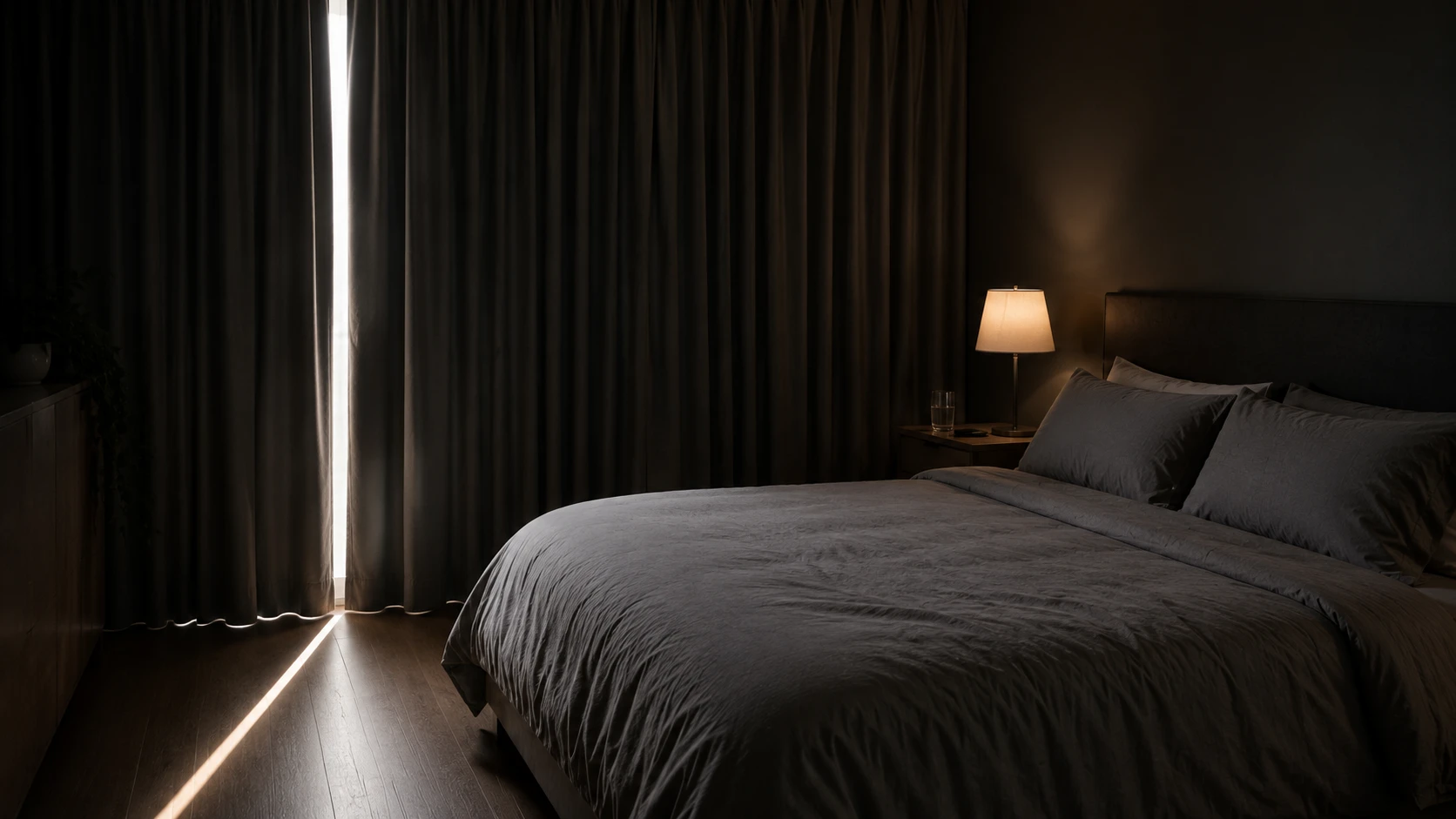
You got home at 7:40. You showered, ate something standing at the counter, and got into bed at nine. It is now 11:15 and you are staring at the ceiling. Somewhere down the street a lawnmower starts.
Night shift sleep for nurses is not the same problem as ordinary insomnia. Your body is doing exactly what it was built to do. It sees light, it hears the world moving, and it decides this is not sleeping time. Fighting that with willpower does not work. Changing what your body sees and hears does.
By the end of this guide your room will be dark and cold enough to sleep in, you will have a routine that starts before you leave the hospital, and you will have picked a schedule that fits your rotation instead of working against it.
Here is the honest part. The room takes an afternoon. The routine takes about a week to feel normal. Your body clock takes three to four weeks, and some people never fully adjust. Anyone promising faster than that is selling something.
Nothing here involves pills or supplements. It is light, temperature, timing, food and boundaries. Those are the five things you actually control, and they are enough to make most of the difference.
Start with the room.
What You Need
For the room
▸ A blackout layer at the window
▸ Painter’s tape or foil for a same-day fix
▸ A fan or air conditioning
▸ A cheap room thermometer
▸ Earplugs or a white noise machine
For the routine
▸ Dark sunglasses that wrap at the sides
▸ A sleep mask as backup
▸ Something small to eat at 8am
▸ A printed sign for your front door
▸ A phone that can run Do Not Disturb
You can start with the tape, the fan and the sunglasses. Everything else can wait a paycheck.
At a Glance
1. Test your room at 2pm before you buy anything
2. Fix the biggest light leak first
3. Get the room to 65 degrees and keep it there
4. Put on sunglasses before you leave the hospital
5. Eat something small within an hour of getting home
6. Shower at the temperature that suits your body
7. Give yourself a 30-minute buffer before bed
8. Set your phone to Do Not Disturb with two exceptions
9. Pick one of the two sleep patterns and commit
10. Protect the same seven-hour block every shift day
11. Get sunlight in your face on your first day off
12. Tell the people who can wake you, in writing
13. Give it three weeks before you judge whether it works
1. Test your room at 2pm before you buy anything
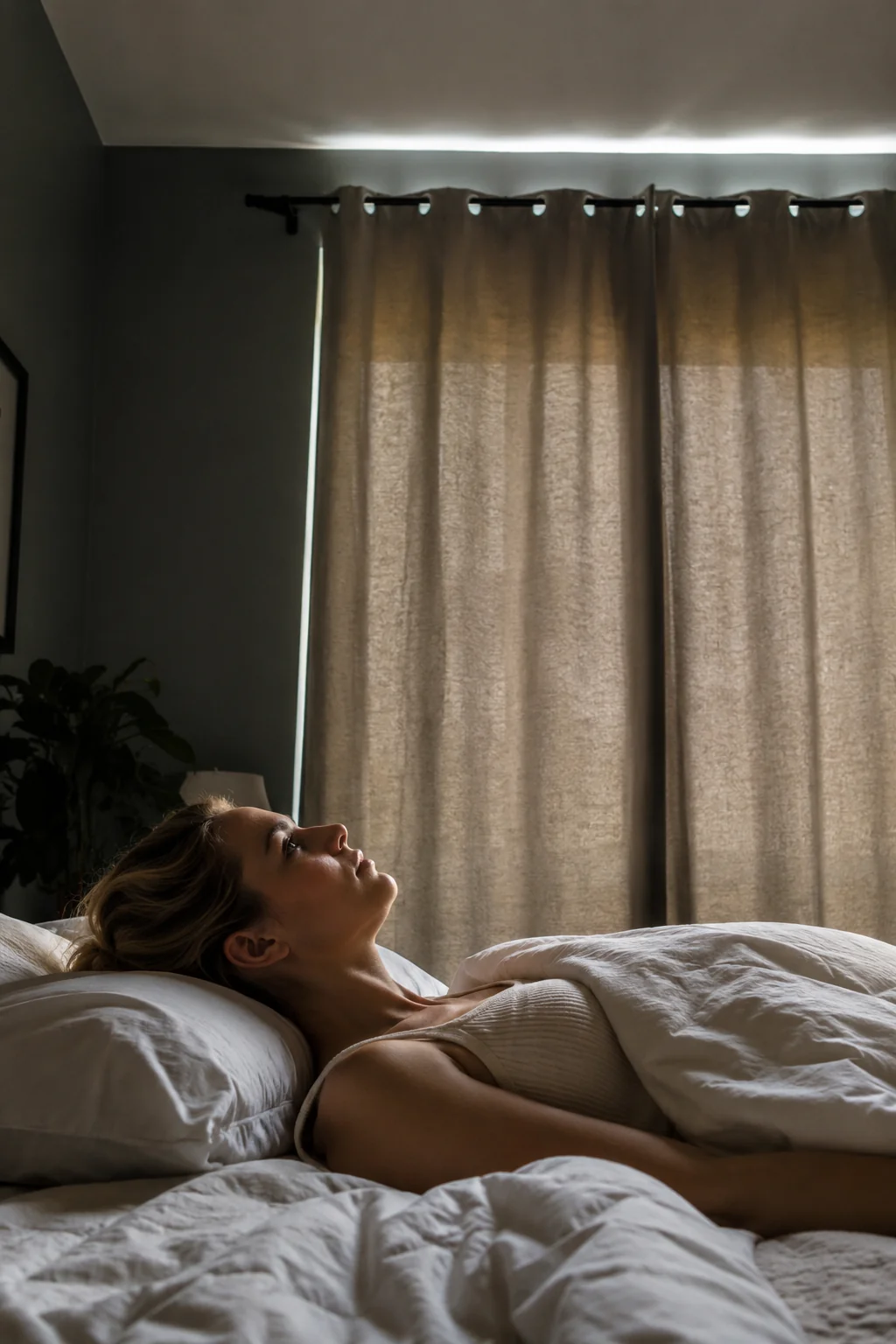
Two in the afternoon in July is the hardest hour your bedroom will ever face. Whatever survives that will survive anything.
Go in, close everything the way you would for sleep, and lie down where your head actually goes. Wait a full two minutes for your eyes to adjust. Then look around and write down every bright line you can see.
Most people find three or four. The top of the curtain. A vertical strip down one side. A glow along the floor. Sometimes a smoke alarm LED you have never once noticed.
You are not fixing anything yet. You are finding out what to fix, so you spend money on the right thing.
2. Fix the biggest light leak first
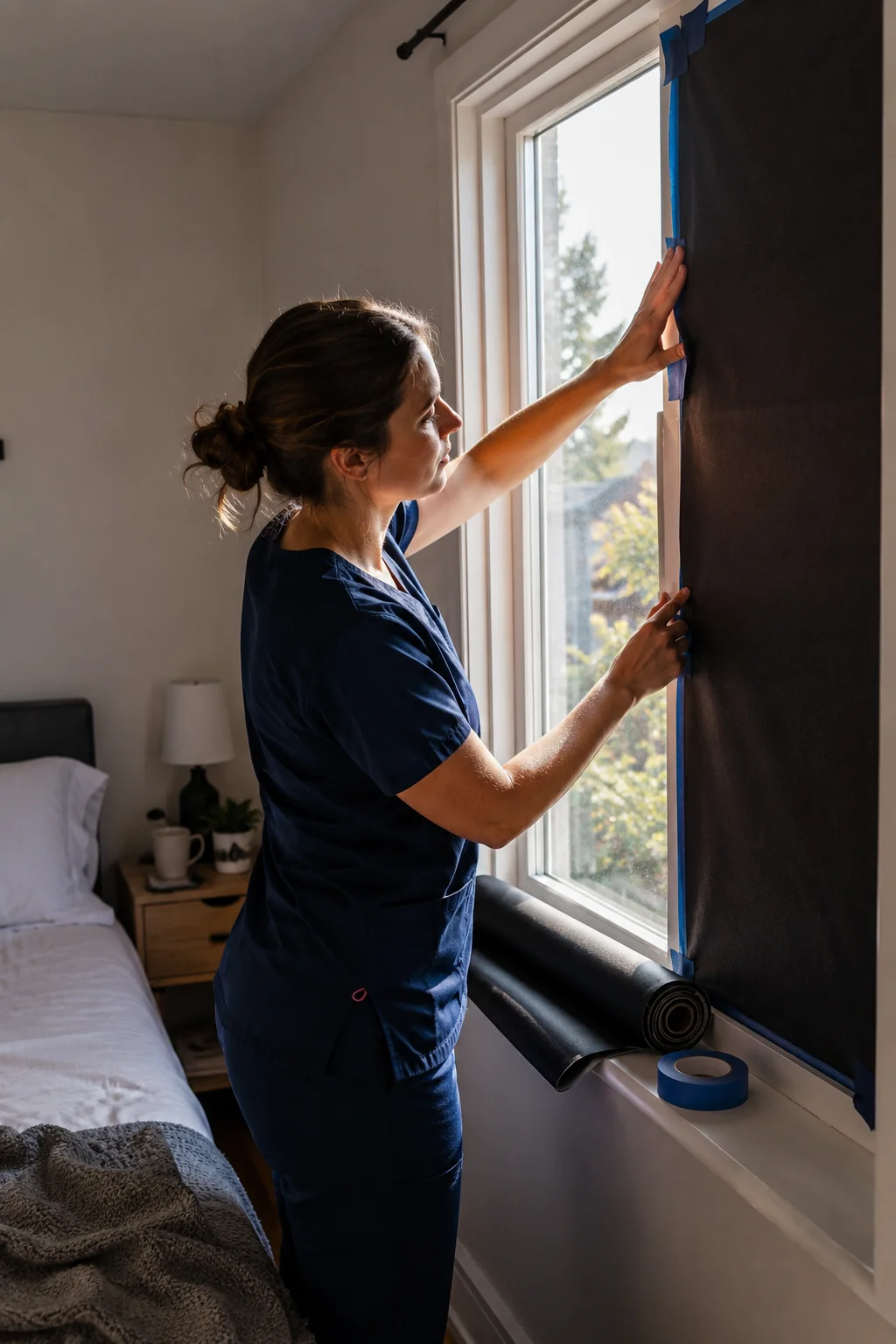
Whichever line you wrote down first is where to start. For most people that is the gap above the curtain rod, because rods get mounted just above the window frame and light pours over the top.
A same-day fix costs almost nothing:
- Tape heavy-duty foil or blackout fabric directly to the window frame
- Loop the end curtain rings behind the rod so the fabric hugs it
- Roll a towel along the bottom of the door
None of that is pretty. All of it works tonight. When you are ready to do it properly, our guide to blackout bedroom ideas covers 25 ways to get there, from ceiling-height rods to painting the trim.
Do not fix all four leaks at once. Fix one, sleep on it, and see how much it helped. That tells you whether the next one is worth the money.
3. Get the room to 65 degrees and keep it there

Cold matters more than most people expect, and it matters more in the day than at night. Afternoon sun heats a bedroom for hours after you have gone to sleep, so a room that felt fine at 9am can be uncomfortable by noon.
Aim for 65 to 68°F. Put a cheap thermometer on the nightstand rather than guessing, because thermostats in other rooms will lie to you.
A fan does two jobs here. It pulls the temperature down and it produces steady sound that covers the doorbell, the neighbours, and whatever is happening outside.
⚠️ Heads Up
If you share the thermostat with people who are awake and using the house, do not fight over it. Cool your bedroom separately with a fan or a window unit. Trying to run a whole home at 65 degrees during the day is how this turns into an argument you lose.
4. Put on sunglasses before you leave the hospital

Your routine starts in the parking lot, not at home. Morning light is the strongest signal your body gets, and it says one thing very loudly: stay awake.
Put the sunglasses on inside the building, before you step through the doors. Wear them the whole drive. Keep them on until you are through your own front door.
Wraparound frames beat regular ones because light coming in at the sides still reaches your eyes. Cheap ones work. This is about blocking light, not fashion.
💡 Pro Tip
Keep a spare pair in your work bag and another in the car. The morning you forget them is the morning you will lie awake, and by then it is too late to fix.
5. Eat something small within an hour of getting home

Going to bed hungry wakes you at hour four. Going to bed full keeps you awake at hour one. The target sits between those, and it is smaller than a meal.
Think of it as a snack that happens to be breakfast. Toast with peanut butter. Yogurt. A boiled egg. Something with a little protein and not much sugar.
Skip the heavy version of breakfast. Eggs, bacon and hash browns at 8am sit in your stomach while you are trying to sleep, and the crash that follows a big carb load will wake you before noon.
Coffee stops at least six hours before you plan to sleep. For most night shift schedules that means nothing after 1am.
6. Shower at the temperature that suits your body, not the room

Warm works better than cold for most people, and the reason is slightly backwards. A warm shower pulls blood toward your skin, and when you step out your core temperature drops. That drop is one of the signals your body reads as time to sleep.
Give it 10 to 15 minutes, then get out. Longer than that and you start waking yourself up again.
Two things worth knowing. Bright bathroom lights undo the sunglasses you just wore for forty minutes, so use a lamp or leave the light off if you can manage it. And if warm showers leave you wired rather than sleepy, go cool instead. Some people are simply built the other way and there is no point arguing with it.
7. Give yourself a 30-minute buffer before bed

Going straight from the front door to the pillow rarely works. Your head is still on the unit, running the handover you just gave and the thing you meant to chart.
Thirty minutes is enough for most people. Not an hour, because that turns into scrolling and suddenly it is eleven o’clock.
What goes in the buffer matters less than the fact that it exists. Reading a paperback works. Stretching works. Sitting on the edge of the bed doing nothing works.
What does not work is anything with a screen, anything involving your inbox, and anything that requires a decision.
8. Set your phone to Do Not Disturb with two exceptions
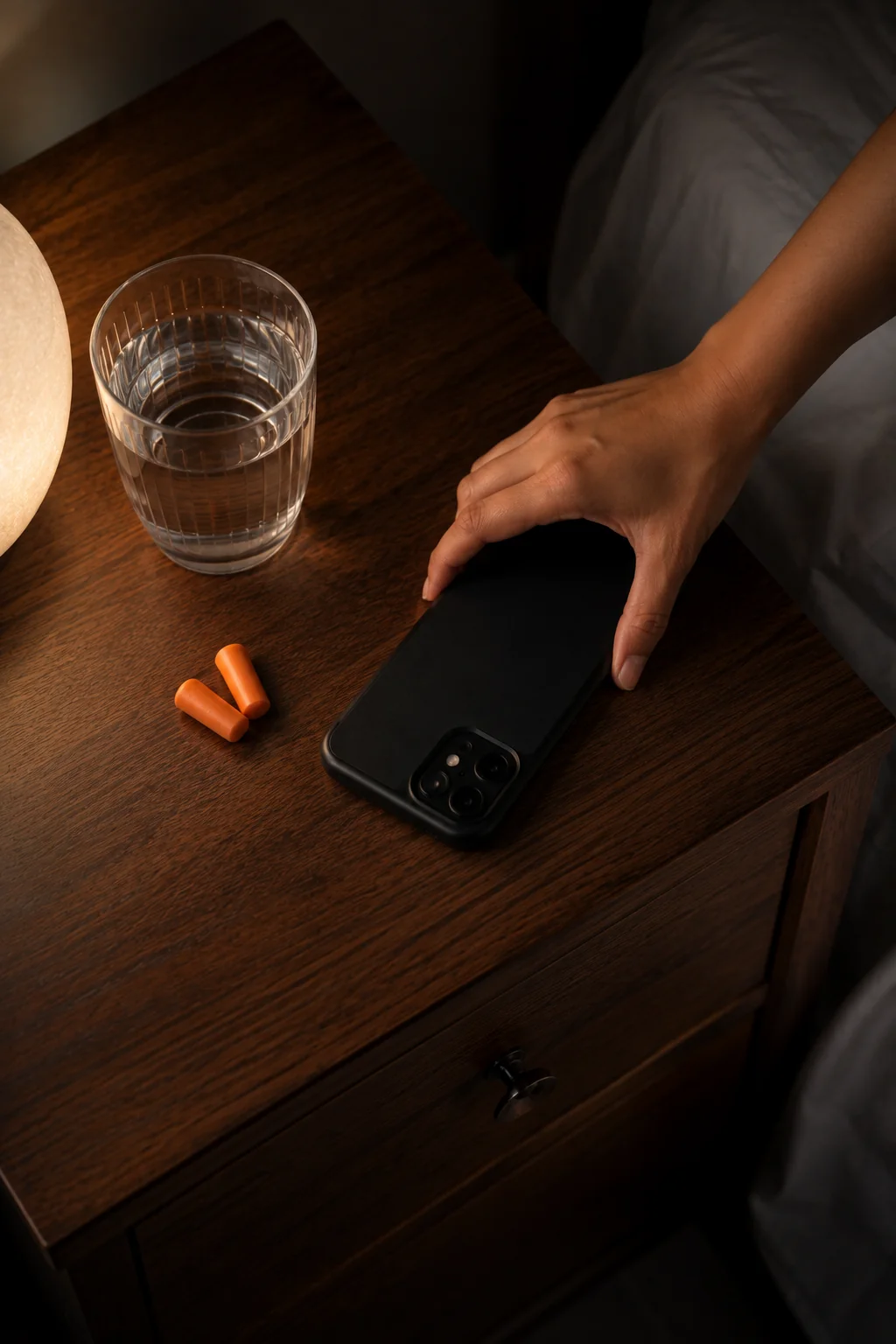
A phone on silent still lights up. Face down on the nightstand it still glows against the wall every time a group chat moves. Turn it off properly.
Set Do Not Disturb to run automatically across your sleep window so you never have to remember. Then allow exactly two things through:
- Repeated calls from the same number within three minutes
- One or two named contacts, usually a partner, a parent, or whoever picks up your kids
Everything else waits. The unit does not need you, the group chat does not need you, and the delivery driver can leave it at the door.
⚠️ Heads Up
Check your alarm before you enable Do Not Disturb the first time. On most phones the alarm still sounds, but a few setups mute it, and finding out the hard way costs you a shift.
9. Pick one of the two sleep patterns and commit to it
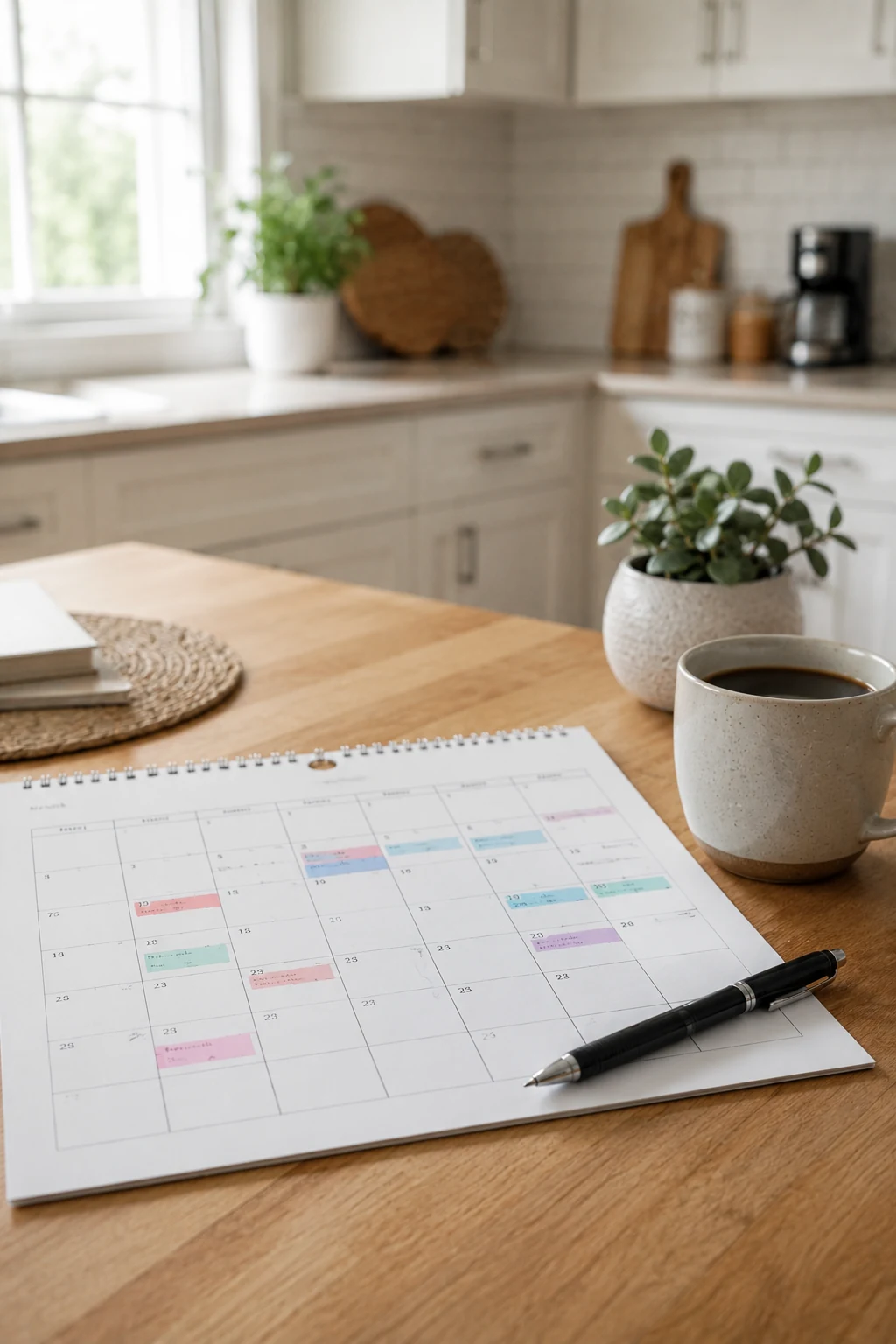
This is the fork, and picking wrong is why a lot of nurses stay tired for months.
Stay nocturnal means you keep roughly the same sleep window on your days off. You sleep mornings whether you worked or not. Your body clock stays put.
Flip back means you sleep normally on days off and reset before your next block. Your social life stays intact and your body pays for it.
| Stay nocturnal | Flip back on days off |
|---|---|
| Shifts feel much easier by week three | You keep evenings, weekends and family time |
| You miss most of normal life | The first night back is always brutal |
| Best for permanent nights and long blocks | Best for two or three nights at a time |
Neither one is correct. Pick the one that matches your rotation and the people you live with, then stop reconsidering it every week.
💡 Pro Tip
Switching between the two every week is worse than either one on its own. Your body never gets long enough to settle. If you are unsure, try one for a full month before you judge it.
10. Protect the same seven-hour block every shift day
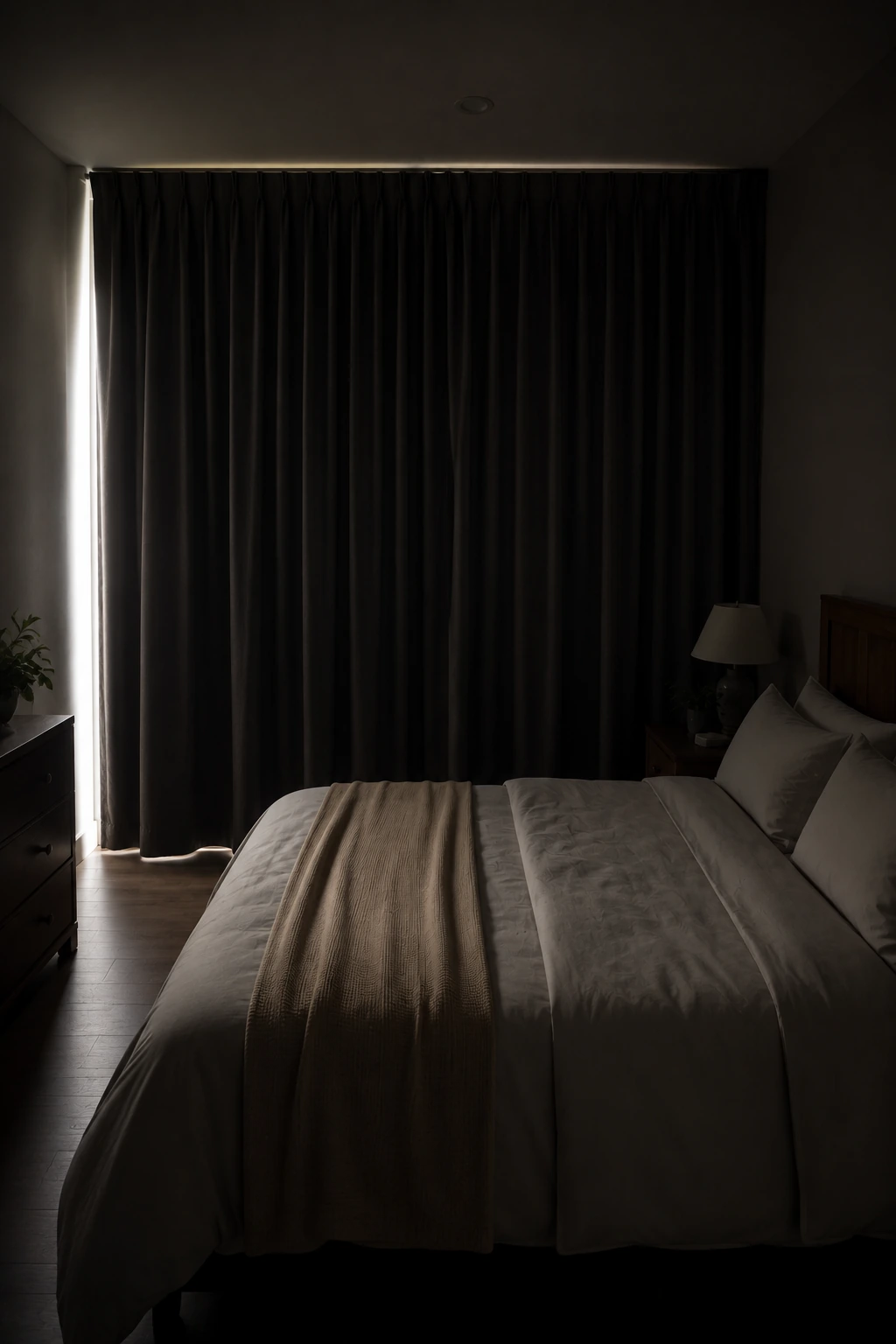
Consistency beats duration. Seven hours at the same time every day does more for you than nine hours that start at a different hour each morning.
Pick your window and write it down. If you get home at 7:45, something like 9am to 4pm works for most people. Leave a gap between arriving home and lying down, and leave a gap between waking and leaving again.
Everything else moves around that block. Appointments, errands, calls home, the dentist. They fit in the hours you are awake, not the hours you are asleep.
The hard part is not the schedule. It is saying no to a 1pm coffee that someone genuinely thinks is a reasonable time.
11. Get sunlight in your face on your first day off

The switch back needs a signal as strong as the one that keeps you awake, and daylight is the only thing that qualifies.
On the morning you want to reset, go outside within 30 minutes of waking. Fifteen to twenty minutes is enough. No sunglasses this time, that is the entire point.
A walk is ideal. Sitting on a step with coffee works. Standing at an open door works if the weather is bad.
Two things make it stick. Do it at the same time you want to keep waking, and do not go back to bed afterward, however much you want to. A nap at 11am on your first day off undoes the whole thing.
12. Tell the people who can wake you, in writing
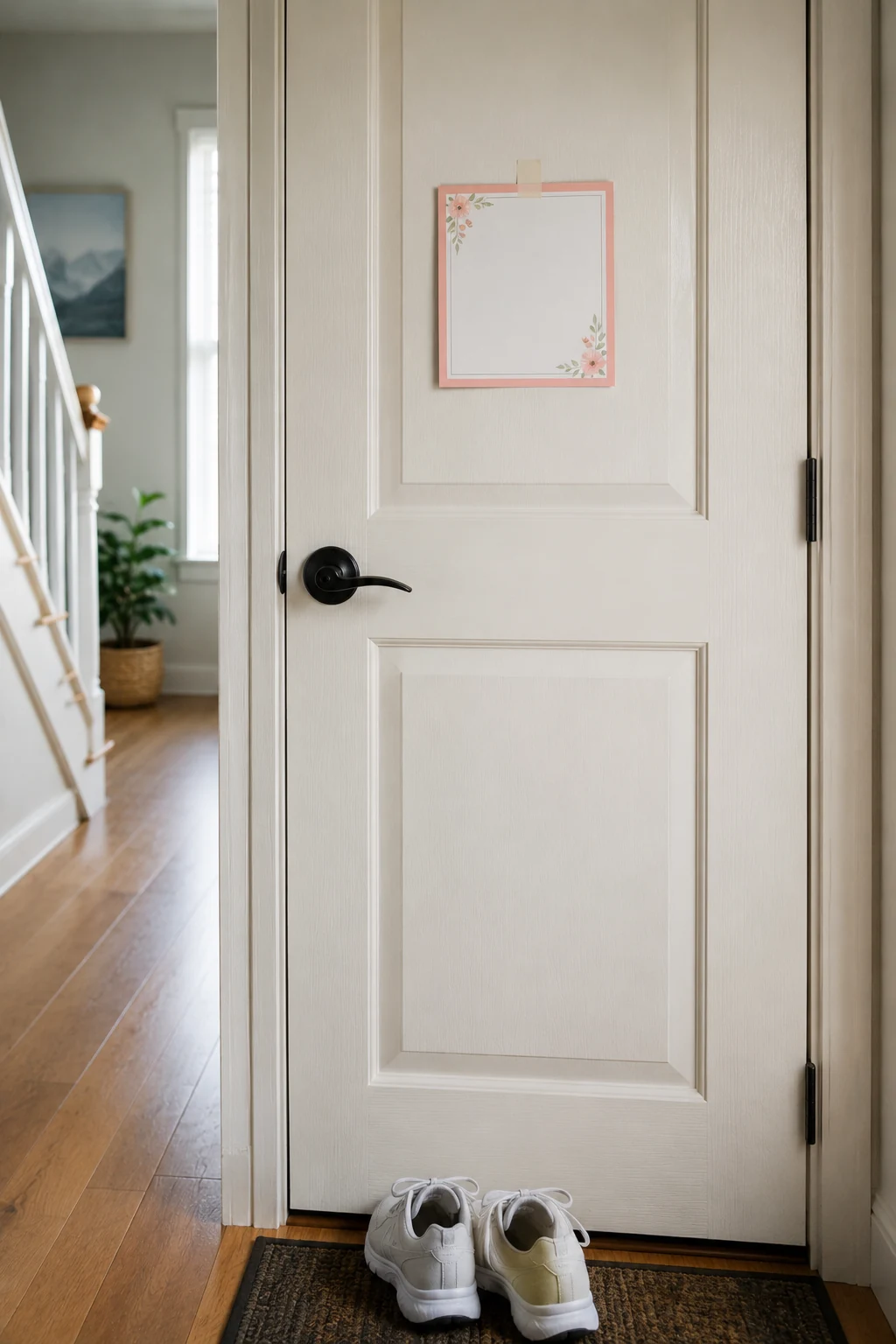
Saying it out loud does not work. People forget, and then they knock.
Put a sign on your front door. A laminated card that says something like Night shift nurse sleeping, please do not knock or ring, leave packages stops most delivery drivers, and delivery drivers are the single most common interruption.
Tell your household your exact hours, not a vague idea of them. Written on the fridge beats mentioned in passing. Same for anyone who might call: parents, siblings, the friend who forgets what you do.
Neighbours are worth a conversation too. Most people will move a mowing schedule by an hour if you ask nicely, and almost nobody will if you never mention it.
💡 Pro Tip
Set delivery preferences to leave at door in every app you use, and turn off the doorbell chime if yours allows it. That handles the interruptions you cannot talk to.
13. Give it three weeks before you judge whether it works

Week one is usually worse, not better. You have changed your habits but your body clock has not caught up, so you are doing everything right and feeling terrible. Most people quit here.
Week two is when the room starts paying off. You fall asleep faster even if you still wake early.
Week three is where it either settles or it does not. That is the point to look back honestly and ask whether things are moving in the right direction.
Keep it simple. Note two things each morning: roughly how long you slept, and how you felt at hour eight of your shift. A line in your phone is enough. Patterns show up in writing that you cannot see from inside the tiredness.
⚠️ Heads Up
If you are still sleeping badly after a month of doing this properly, or you are falling asleep on the drive home, that is worth a conversation with your doctor rather than another change to your routine. Shift work sleep disorder is a real diagnosis and there are treatments. This guide covers the environment and the habits. It does not replace someone who can actually assess you.
When It Is Not Working
| If this happens | Try this |
|---|---|
| You fall asleep fine but wake at hour four, every time | Usually hunger or temperature. Eat slightly more before bed, and check the thermometer at noon rather than at 9am. |
| You cannot fall asleep at all, even exhausted | Your buffer is too short or your phone is still on. Push the buffer to a full 30 minutes and put the phone in another room for a week. |
| The room looks dark but you still sleep badly | Lie down and look again at 2pm, not at 9am. The leak you missed is usually above the rod or under the door. |
| You sleep well on shift days, terribly on days off | You are switching patterns mid-week. Go back to step 9 and pick one for a full month. |
| You keep getting woken by the same thing | Solve that one thing properly rather than sleeping through it. A sign, a conversation, or a delivery setting fixes more than earplugs will. |
| Week one felt fine, week two is worse | Normal. Adjustment is not a straight line. Change nothing and reassess at the end of week three. |
Questions Nurses Actually Ask
How many hours should I be getting?
The same as anyone else, around seven to nine. Day sleep tends to be lighter and more broken, so many nurses need to allow eight hours in bed to actually get seven.
Should I nap before my shift?
If you slept badly, yes. Keep it to 20 minutes or 90 minutes, nothing in between, and finish at least three hours before you leave. Anything longer or later eats into your main sleep block.
Is it bad to sleep in two shorter blocks instead of one?
Split sleep works well for some people, particularly on longer stretches. Try a block after your shift and a second before you leave. It is worth testing if one long block keeps failing.
What about melatonin or sleep aids?
That is a conversation for your doctor or pharmacist, not a blog. What is on this page is the environment and the habits, and for most people that is where the real gains are.
Does this get easier, or is it always this hard?
It gets easier for most people by the end of the first month. Some never adapt fully, and that is not a personal failing. If it stays this hard after a year, it is worth thinking about whether permanent nights suits you.
I live with people who are awake all day. Is any of this possible?
Yes, but boundaries do more work than equipment. Written hours on the fridge, a sign on the door, and a fan for sound will beat any curtain you can buy.
Night Shift Sleep: Quick Reference
Night Shift Sleep: Quick Reference
Screenshot this or print it for the fridge.
Start with these five
▸ Blackout layer at the window, even taped foil to begin
▸ Fan or window unit, plus a thermometer on the nightstand
▸ Wraparound sunglasses, one pair in the bag and one in the car
▸ Earplugs or a white noise machine
▸ A printed sign for the front door
The 13 steps
1. Test the room at 2pm before buying anything
2. Fix the biggest light leak first
3. Hold the room at 65 to 68°F
4. Sunglasses on before you leave the building
5. Small snack within an hour of getting home
6. Warm shower, 10 to 15 minutes, low light
7. 30-minute buffer, no screens
8. Do Not Disturb, two exceptions only
9. Pick a pattern: stay nocturnal or flip back
10. Same seven-hour block every shift day
11. Daylight within 30 minutes of waking on day one off
12. Tell people your hours in writing
13. Give it three weeks before judging
Caffeine cutoff: nothing after 1am on a 7pm to 7am shift.
Nap length: 20 minutes or 90 minutes, never in between.
Room target: 65 to 68°F, checked at noon.
You Already Know More Than You Did This Morning
The room is the part you can finish today. Tape something over the window, put a fan on, and you have already fixed the two things that matter most.
The routine takes about a week to stop feeling like a chore. The body clock takes three or four. That is not slow, it is just honest, and knowing it means you will not quit in week two like most people do.
Night shift sleep for nurses gets easier. Not perfect, but easier, and a great deal easier than it is right now.
Save this to your sleep board so it is there at 11am when you are staring at the ceiling and trying to work out what to change next.
