
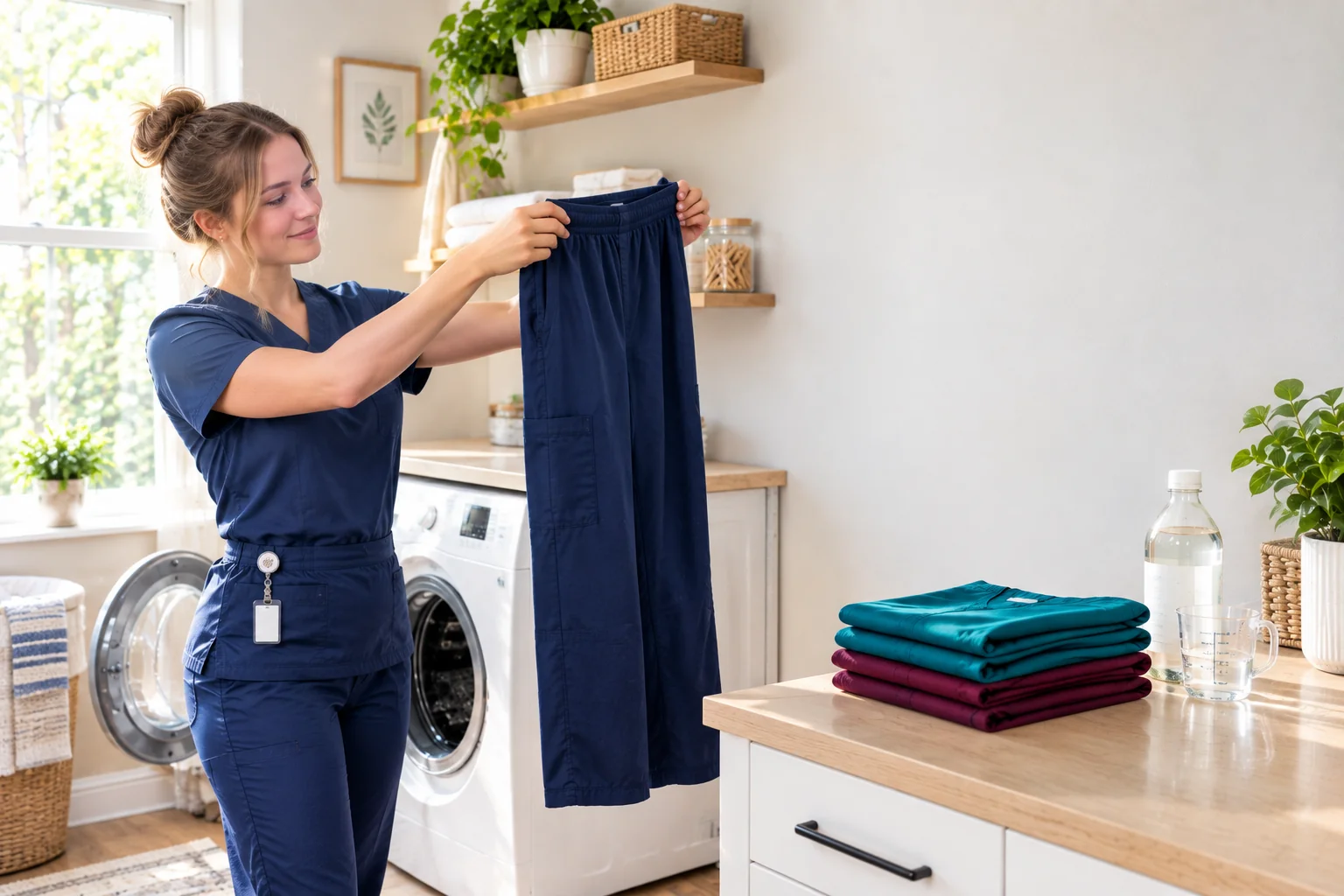
You know the drill. You peel off your scrubs after a twelve-hour shift, toss them in the washer with everything else, crank it to hot, and hope for the best.
Two months later those deep navy tops look washed out. The fabric feels like cardboard. And there is still a faint hospital smell baked into the collar no matter how much detergent you dump in.
The problem is not your scrubs. It is how you are washing them.
Knowing how to wash scrubs for nurses the right way comes down to a handful of small changes. The order you do things. The temperature you pick. What you add to the drum. None of it is complicated. Most of it is the opposite of what feels right.
By the end of this guide your scrubs will come out softer, darker, and actually clean-smelling after every single wash.
No special products. No hand-washing. No extra time.
The whole process fits inside a normal laundry routine, and once you do it twice it becomes automatic. If you have been replacing scrubs every few months because they look tired, this is the fix.
Grab your hamper and let’s walk through it.
- Mild liquid detergent (no bleach, no brighteners)
- White distilled vinegar
- Baking soda
- A stain pre-treatment spray or bar
- A mesh laundry bag (optional, for delicate scrubs)
- Hangers or a drying rack
- A hamper or wet bag for dirty scrubs only
- Turn your scrubs inside out before anything else
- Sort scrubs by color and wash them separate from regular clothes
- Pre-treat stains while they are still fresh
- Use cold water, not hot
- Add the right amount of detergent, less than you think
- Pour in white vinegar as a natural deodorizer
- Skip the fabric softener completely
- Pull scrubs out the moment the wash cycle ends
- Tumble dry on low heat or hang dry
- Fold and store scrubs away from damp spaces
1. Turn Your Scrubs Inside Out Before Anything Else
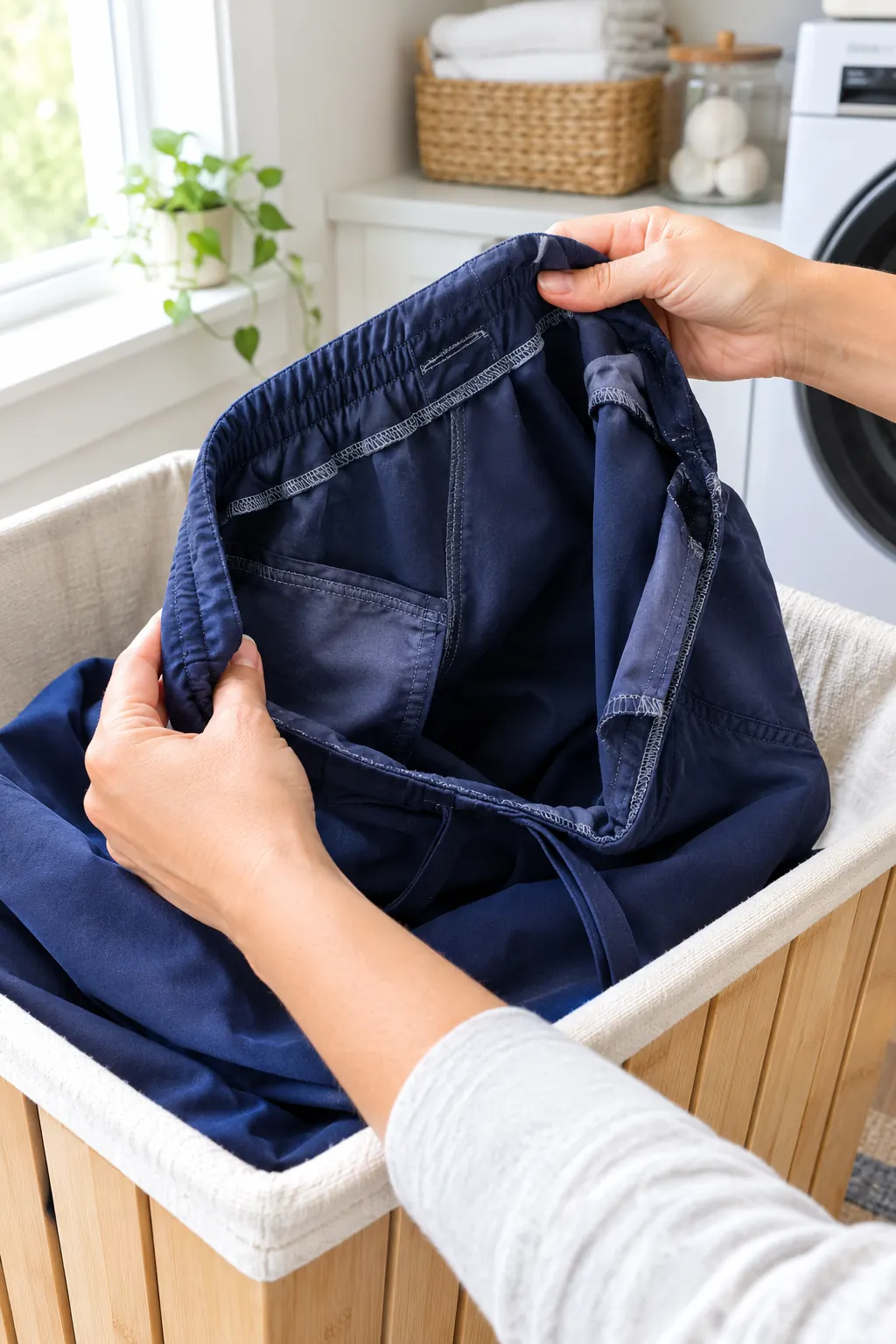
The outside of your scrubs takes all the friction inside the drum. That friction fades the color and pills the fabric over time. Flipping them inside out moves the wear to the side nobody sees.
Do this the moment you take them off, before they hit the hamper. Making it part of your post-shift drop zone routine means it happens on autopilot.
2. Sort Scrubs by Color and Wash Them Separate From Regular Clothes
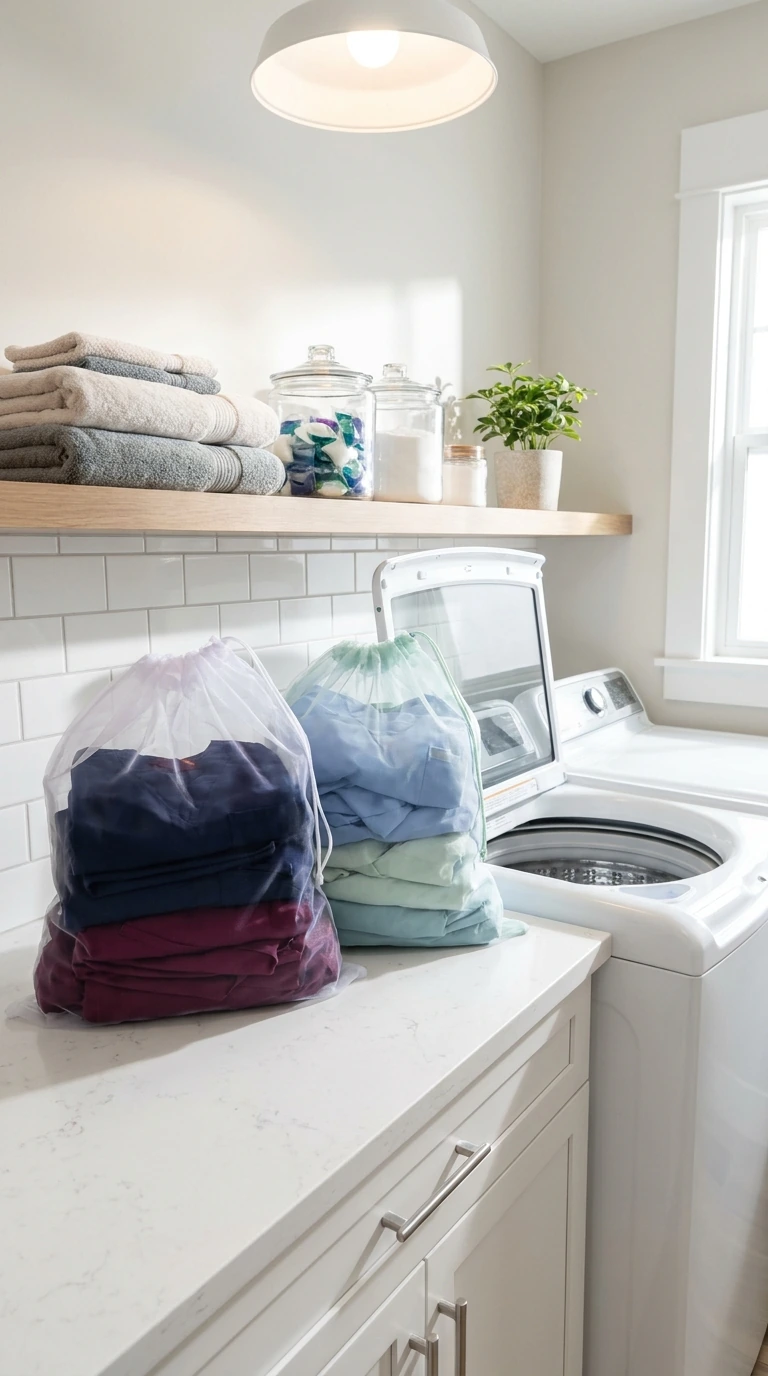
Four to six scrub pieces per load is the sweet spot. Keep darks with darks, lights with lights, and never mix scrubs with your regular clothes.
Scrubs carry bodily fluids, hand sanitizer residue, and chemical splashes. Washing them with everyday shirts and towels spreads that contamination and dilutes the cleaning power of the load. A separate hamper or wet bag in your laundry room setup makes sorting automatic instead of something you have to think about.
3. Pre-Treat Stains While They Are Still Fresh
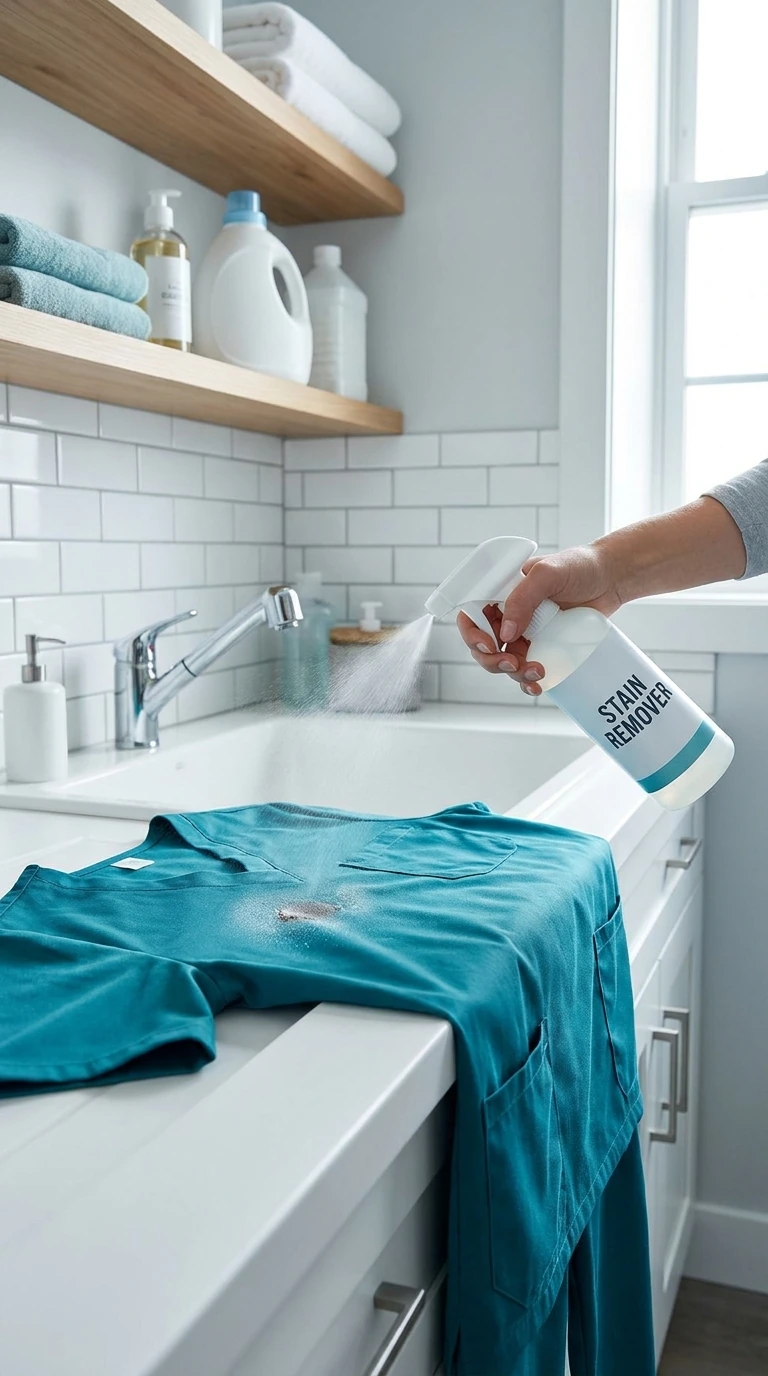
Dried stains set into fabric and become permanent. The window for catching them is small. Before your scrubs go in the washer, check the front panels, cuffs, and pockets for any visible marks.
If you spot something, move fast:
- Run cold water over the stain (never hot, hot cooks protein stains in)
- Apply a stain remover spray or rub a pre-treatment bar on the spot
- Let it sit for 5 to 10 minutes
- Then load the machine
4. Use Cold Water, Not Hot
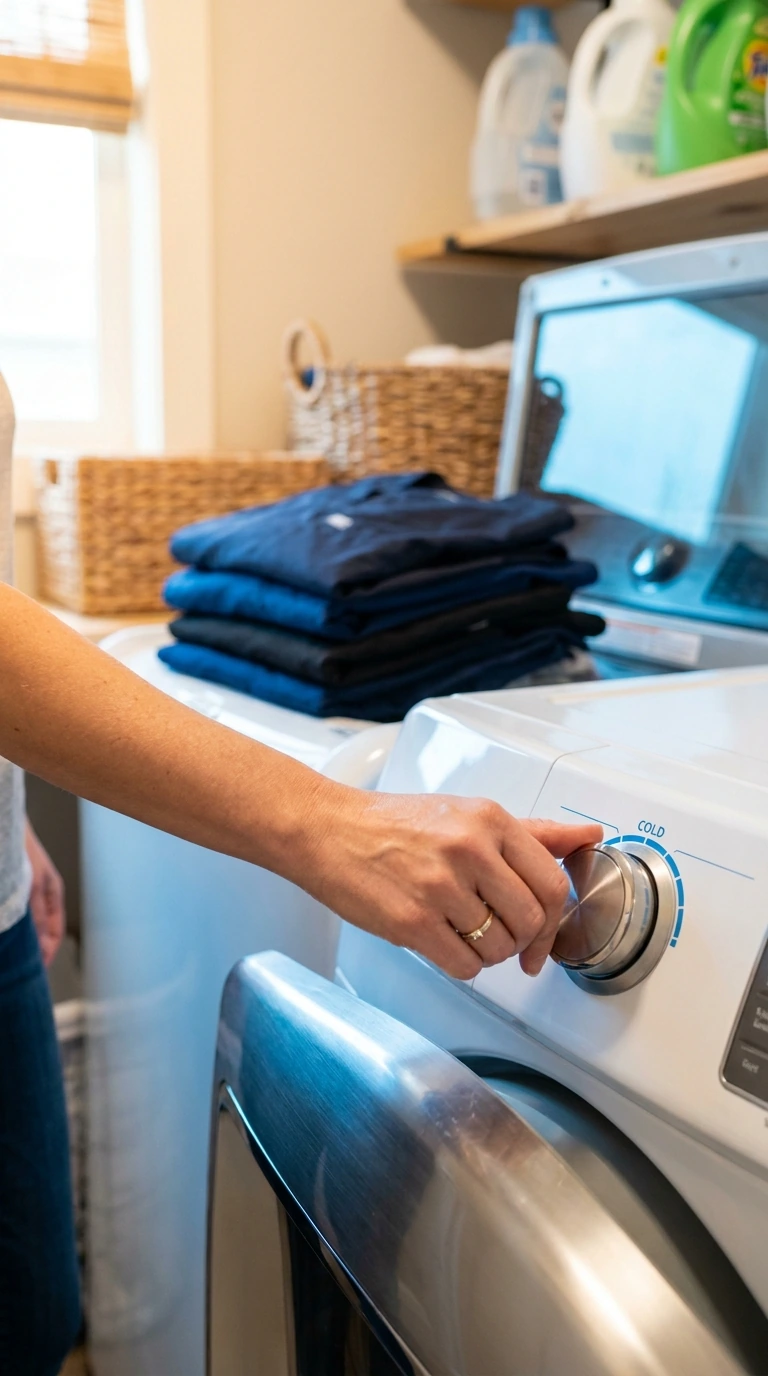
Cold or cool, 30°C / 85°F max. That is the single most protective setting on your machine.
Hot water opens up the fibers, which lets dye escape faster and shrinks the fabric over time. Cold water cleans the scrubs without stripping them. It also does a better job on blood and protein stains, which is exactly what nurse scrubs carry.
5. Add the Right Amount of Detergent, Less Than You Think
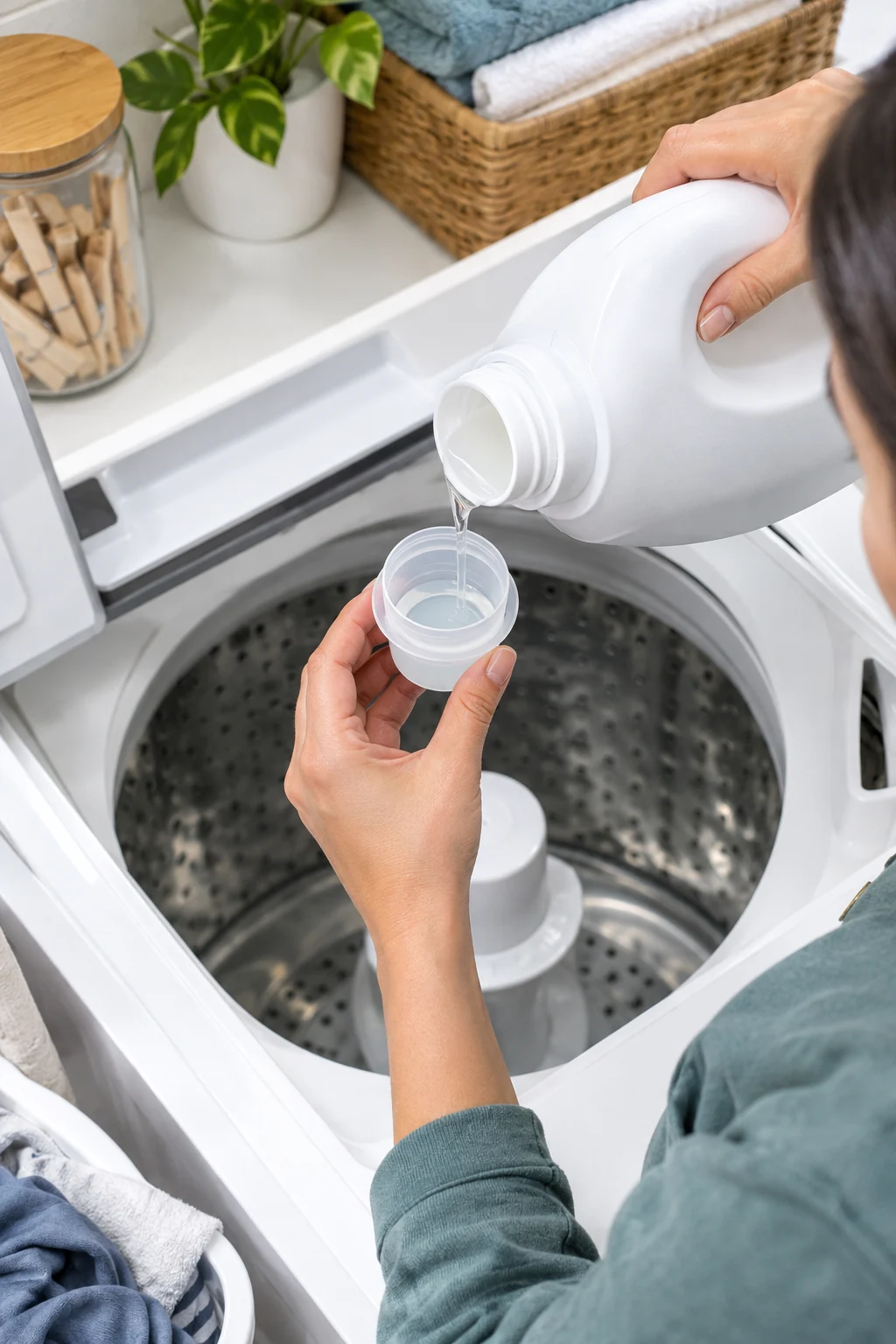
Here is the part that surprises most people. That hospital smell you cannot get rid of? It is often detergent residue holding bacteria against the fibers, not the bacteria itself. Excess soap leaves a film that traps odor, stiffens the material, and builds up wash after wash.
Use half to three-quarters of what the bottle recommends. For a standard scrub load, that is roughly one tablespoon of concentrated liquid detergent.
6. Pour In White Vinegar as a Natural Deodorizer
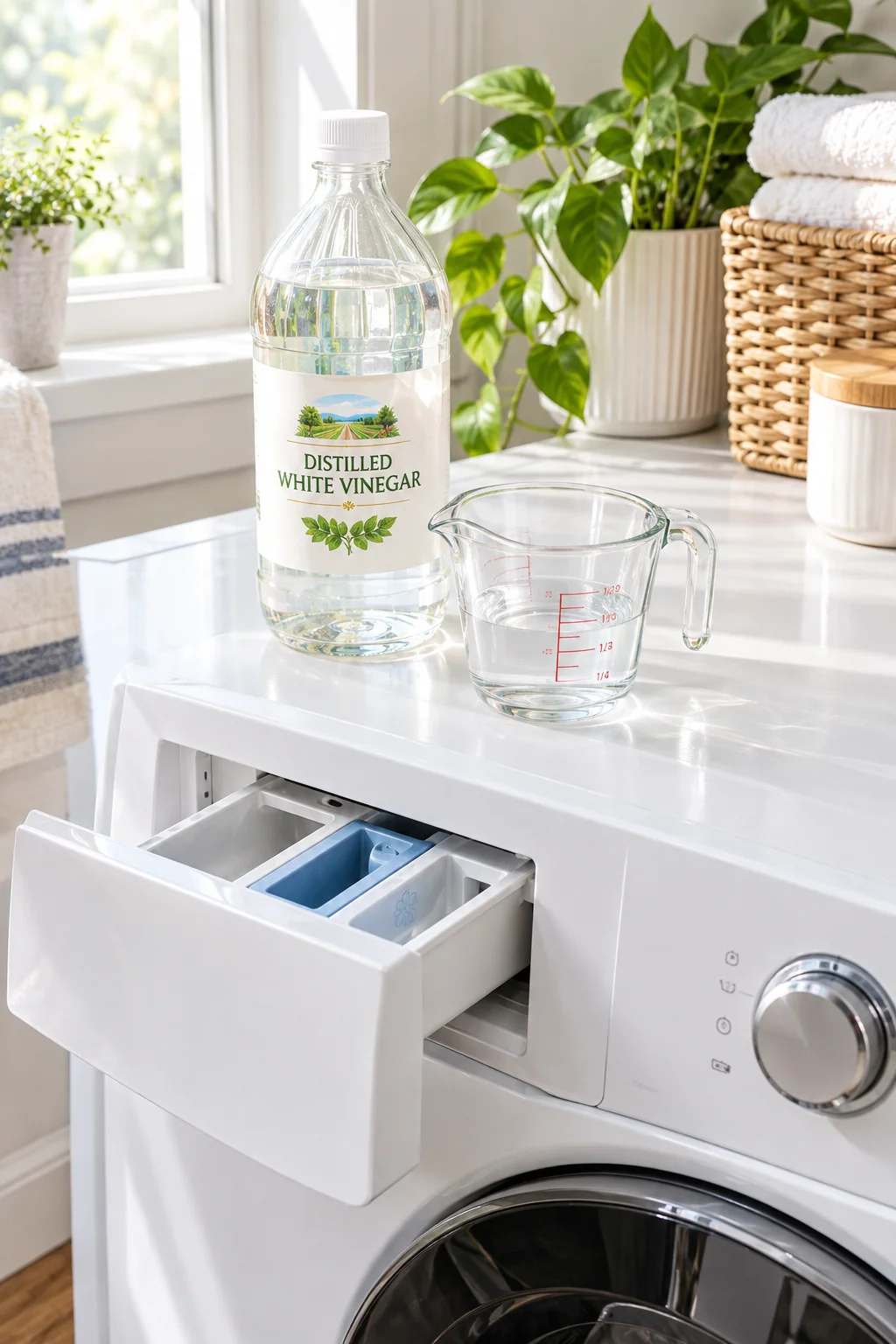
Half a cup. That is all it takes. Pour ½ cup of white distilled vinegar into the fabric softener compartment so it releases during the rinse cycle, not the wash.
Vinegar breaks down the alkaline residue that detergent leaves behind. That residue is the layer trapping odor. It also softens the fabric without coating it the way chemical softeners do. Your scrubs will not smell like vinegar when they come out. The rinse water carries it away completely.
7. Skip the Fabric Softener Completely
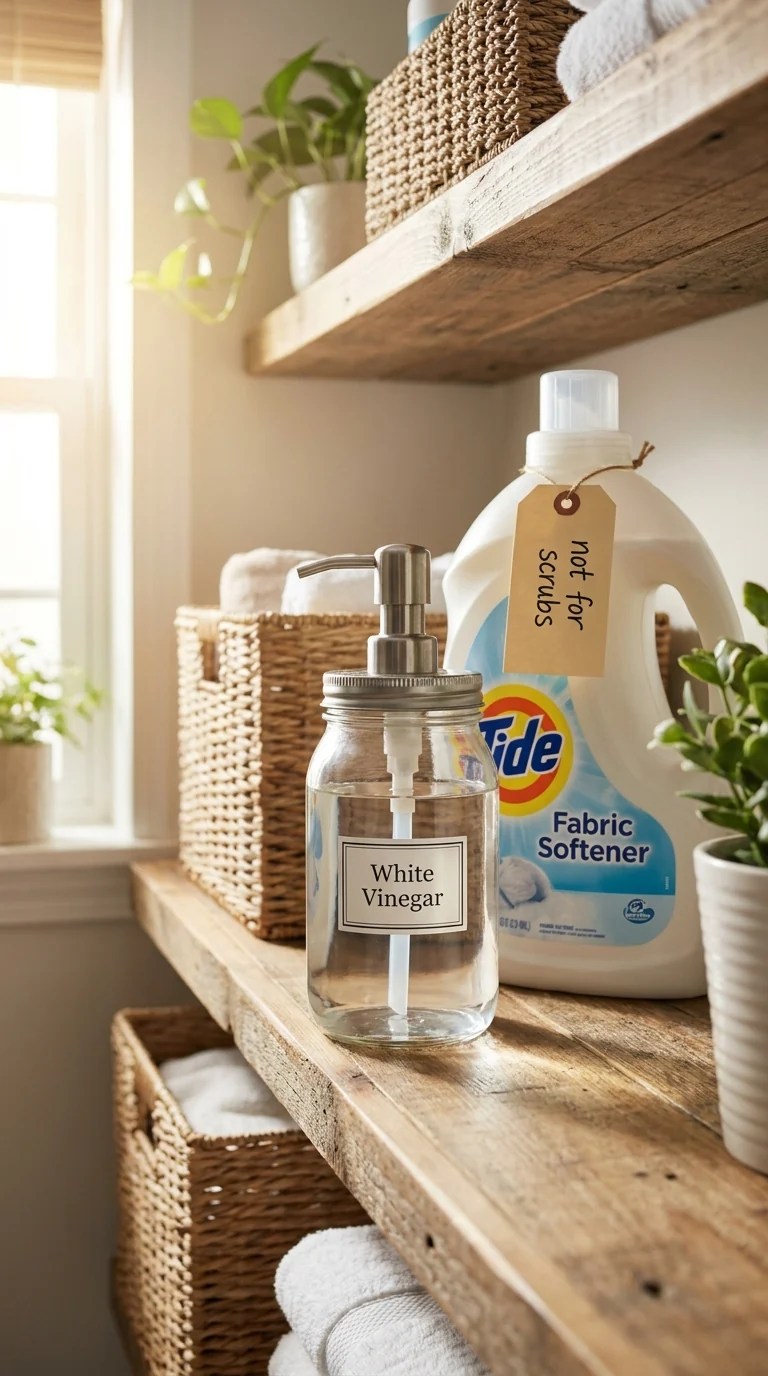
Soft scrubs sound like exactly what you want. But fabric softener works by coating fibers with a thin waxy layer. That coating stops the fabric from breathing.
Over time it seals in odor too. The vinegar from the previous step gives you the softness without the buildup. If you have been using softener for months, it may take two or three vinegar washes before the old coating strips away and you notice the difference.
8. Pull Scrubs Out the Moment the Wash Cycle Ends
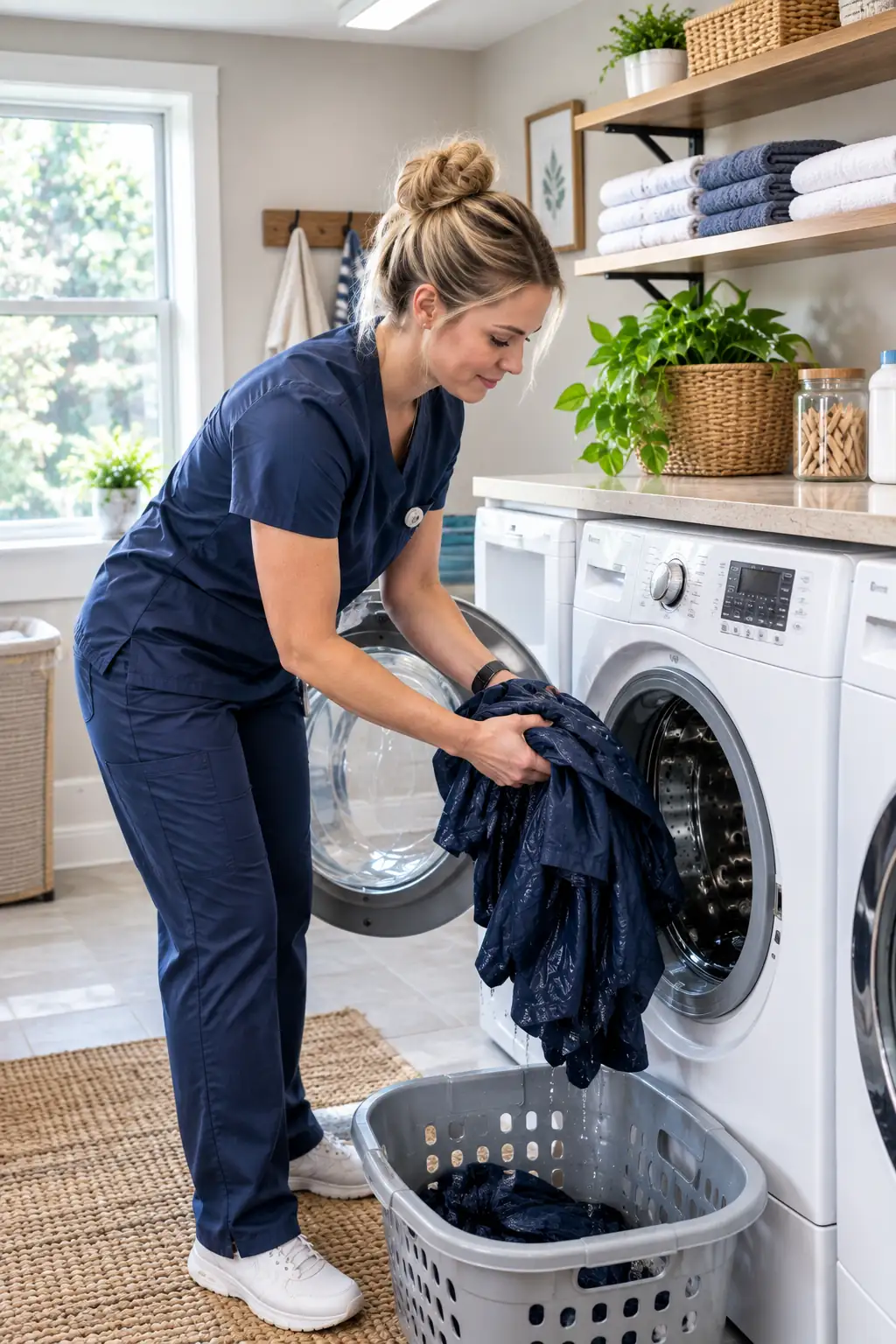
Within 15 minutes. Wet fabric sitting in a closed drum is where mildew starts. That damp, sour smell that hits you when you open the washer late? It transfers straight into the fabric and needs a full re-wash to remove.
Set a timer on your phone when you start the load. If you are coming off a night shift and heading to bed, this is the one step worth staying up an extra few minutes to finish before your wind-down routine starts.
9. Tumble Dry on Low Heat or Hang Dry

Low heat for 30 to 40 minutes is enough for most scrub sets. Pull them out while they still feel slightly damp to the touch. The last bit of moisture evaporates on its own and you avoid over-drying.
If you have the space, hang drying is even better. A drying rack or a few hangers on a shower rod does the job. The fabric keeps its shape, the color stays darker longer, and you skip the heat damage entirely.
10. Fold and Store Scrubs Away From Damp Spaces

Where your scrubs live between washes matters more than most people think. A damp bathroom shelf or a packed closet with poor airflow can undo the fresh smell you worked for.
Give them a proper home:
- Fold neatly and store in a dry, open drawer or shelf
- Keep them separate from regular clothes
- Pick a spot with breathing room, not a crammed corner
- If your bedroom doubles as your day-sleep sanctuary, use a small dresser outside the sleep zone
A dedicated scrub spot also makes grabbing a set before a shift faster, especially on those mornings when you are running late.
Avoid These 5 Common Scrub-Washing Mistakes
Your gym shirts and bath towels do not carry the same contaminants as clinical scrubs. Mixing them dilutes the wash and cross-contaminates everything in the load. A separate scrub-only cycle fixes this instantly.
The instinct makes sense, but your home washer does not hit hospital-grade sterilization temperatures anyway. What hot water actually does is fade dye, shrink elastic, and set protein stains permanently. Cold water plus the right detergent handles bacteria without the damage.
Extra detergent does not rinse out fully. It clings to the fabric, traps bacteria, and creates that stiff cardboard feel. Less soap, cleaner results. Counterintuitive, but true every single time.
The waxy coating it leaves behind seals in odor and kills the moisture-wicking ability of your scrubs. After a few months of buildup, your scrubs hold sweat instead of releasing it. White vinegar gives you softness without any of the residue.
Even 30 minutes in a closed, wet drum starts the mildew clock. That sour smell transfers into the weave and needs a full re-wash to remove. Set a phone timer when the cycle starts and pull them out within 15 minutes.
Frequently Asked Questions
Use it sparingly and diluted. A small amount of color-safe bleach works for whites, but never on colored scrubs. Even on whites, too much breaks down the fibers over time. A better routine: baking soda in the wash plus vinegar in the rinse keeps whites bright without the fabric damage.
How often should I wash my scrubs?
After every single shift, no exceptions. Scrubs carry bacteria, bodily fluids, and chemical residue that regular airing out does not remove. One wear, one wash.
Will vinegar damage my washing machine?
No. Half a cup per load is well within safe limits for any standard washer. Some manufacturers advise against large amounts over time, but at this dose it actually helps clean the drum and hoses, not harm them.
My scrubs already smell bad. Can this routine fix them?
Usually yes. Run a dedicated wash with baking soda in the drum plus vinegar in the rinse, cold water, no detergent. Repeat once more with your normal detergent amount (reduced). Two cycles typically strips the old buildup and resets the fabric.
Do expensive scrubs need a different wash routine?
The same routine works across all price points. Premium brands like FIGS and Healing Hands actually benefit more from cold water and no softener because their fabrics are designed to wick moisture, and softener kills that ability fastest. A mesh bag is a good add for pricier sets to reduce friction.
Soft Scrubs, Zero Smell, Same Set All Year
Ten steps. No special products. No extra time bolted onto your day. You now know how to wash scrubs for nurses the way that actually protects the color, the softness, and your nose.
The biggest shift is the smallest one. Less detergent, cold water, vinegar in the rinse. Do those three things next laundry day and you will feel the difference in one wash.
If your laundry setup could use a refresh to match this routine, that is a solid next step. And if your scrub colors are due for an upgrade now that you know how to keep them looking new, even better.
Pin this to your nurse life board so it is ready next laundry day.
